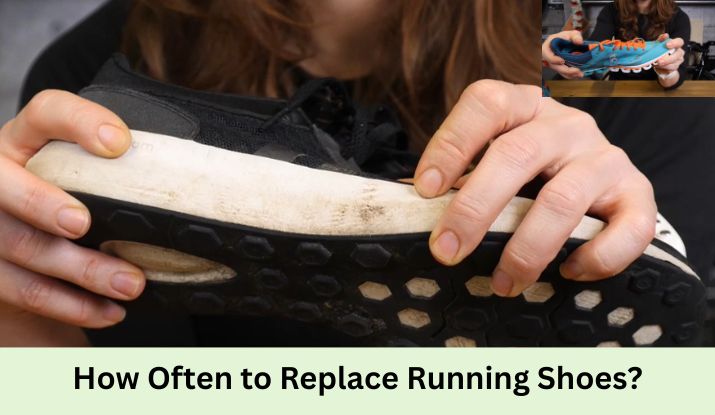
Replace running shoes every 300-500 miles or 6 months, whichever comes first, to maintain cushioning and prevent injury. Listen to your body for signs like increased soreness or worn soles, and adjust based on running surface, body weight, and shoe type.
Running shoes are your faithful companions on every stride, absorbing impacts and supporting your form through miles of pavement, trails, or tracks. But like any gear, they have a lifespan, and knowing how often to replace running shoes can make the difference between peak performance and nagging injuries.
The general rule lands at 300-500 miles, but factors like your weekly mileage, running terrain, and even body weight tweak that timeline. Casual joggers might stretch to eight months, while marathon trainers swap pairs every two to three.
This guide pulls from expert advice to help you navigate the when, why, and how of shoe retirement. We’ll explore the science behind wear, spot the telltale signs before pain sets in, and share practical ways to extend life without risking your runs. Whether you’re logging 10 miles a week or pushing 50, understanding these cues keeps you moving strong. Think of it as tuning up your engine—regular checks ensure smooth miles ahead. Let’s break it down so you can focus on the joy of the run, not the replacement bill.
The Science Behind Shoe Wear: Why 300-500 Miles Matters
Running shoes aren’t indestructible heroes; their magic lies in the midsole foam that cushions each footstrike. Over time, that foam compresses, losing its ability to rebound and absorb shock. A landmark 1985 study kicked off the 300-500 mile guideline by testing shoe cushioning from zero to 500 miles—finding a sharp drop in shock absorption around the 300 mark. Modern foams hold up better, but the principle sticks: Worn midsoles transfer more force to your joints, upping injury risks like shin splints or knee pain.
Body weight plays a big role here. Heavier runners compress foam faster, hitting the replacement window sooner—perhaps 300 miles versus 500 for lighter folks. Terrain amps the wear too: Pavement grinds treads quicker than soft trails, while treadmills offer gentler surfaces. Shoe type factors in as well—maximum cushion models like Hokas last closer to 500, while lightweight racers fade at 100-300.
Manufacturers like Nike echo this, basing advice on unpublished durability tests. But critics question if it’s a sales tactic; elites like Jasmin Paris push 1,000 miles in trainers, prioritizing eco-friendliness. Still, for most, ignoring the cue invites trouble—studies link old shoes to higher stress fractures.
Relatable? Consider Jamie, a weekend warrior averaging 15 miles weekly. He ignored his creaky pair until knee twinges sidelined him for weeks. A fresh set brought relief, proving the science isn’t hype. To track, apps like Strava log miles automatically, turning guesswork into data.
What if you’re not mileage-obsessed? Body signals often lead—more on that next. For now, know 300-500 keeps cushion intact, your form solid.
Here’s a table summarizing wear influencers.
| Factor | Impact on Lifespan | Example Adjustment |
|---|---|---|
| Body Weight | Heavier = faster wear | 300 miles for 200+ lbs |
| Running Surface | Hard = quicker breakdown | 400 miles on pavement |
| Shoe Type | Cushioned = longer life | 500 miles for max cushion |
These elements personalize the rule. As we shift to signs, remember: Miles guide, but your body confirms.
Signs It’s Time: Listening to Your Body and Shoes
Shoes don’t wave a white flag at 500 miles; they whisper through subtle cues. The first? Increased soreness in shins, calves, or knees after runs that once felt easy. Worn cushion fails to absorb, jarring joints—podiatrists note this as a top injury precursor. If recovery drags longer, or new aches pop up, your pair’s past prime.
Visual checks reveal more. Press the midsole: If it stays compressed like a defeated sponge, bounce is gone. Soles tell tales too—uneven tread wear signals gait shifts, risking imbalances. Heel counters cracking or uppers fraying? Structural integrity’s compromised.
Not tracking miles? Time serves as proxy—six months for regulars, per experts. But pair it with feel: Blisters on toes or arch fatigue mid-run? Red flags. Heavier runners spot these sooner; lighter ones might stretch further.
A story from the trails: Sarah, a trail enthusiast, felt hip twinges despite low miles. Inspecting revealed compressed foam—new shoes erased the pain, letting her hit personal bests. Forums buzz with similar tales: 70% of runners retire based on body feedback over odometers.
Anticipate: What about “they look fine”? Deceptive—cushion degrades invisibly. Rotate pairs to compare feels; fresher ones highlight the difference.
Table of key signs.
| Sign | What It Means | Action to Take |
|---|---|---|
| Midsole Compression | Lost shock absorption | Press test; replace if flat |
| Joint Soreness | Extra impact force | Rest, then new pair |
| Uneven Tread | Form breakdown | Visual check soles |
Spot these early, and you sidestep downtime. Next, a guide to inspecting like a pro.
How Often to Replace Running Shoes: Step-by-Step Guide to Checking Wear
How Often to Replace Running Shoes: Step-by-Step Guide to Self-Assessment
Tracking wear proactively beats reactive pain. This method, drawn from podiatrist and runner tips, combines visual, tactile, and performance checks. Do it monthly or post-long run. Tools: Mirror, flat surface, journal. Time: 10-15 minutes. Follow to decide if retirement looms.
Step 1: Log Your Miles and Baseline
Open your running app or notebook. Tally total miles since purchase—aim for under 500. Note buy date for time check (six months max). Why start here? Miles contextualize wear; 200-mile shoes feel different from 400. If no tracker, estimate weekly (e.g., 20 miles x 20 weeks = 400). A beginner logged haphazardly; realizing 450 miles explained shin aches. Jot baselines like initial cushion feel. Takes 2 minutes; set phone reminders.
Step 2: Visual and Structural Inspection
Place shoes sole-down on a flat surface. Check treads for uneven bald spots—outer edges worn? Indicates supination or overpronation. Look for cracks in heel counters or frayed uppers. Midsole? Scan for wrinkles or thinning. These signal breakdown; pavement runners see it first. Sarah’s trail shoes showed toe drag marks—early gait cue. Use mirror for hard-to-see spots. 3-5 minutes; photograph for progress tracking.
Step 3: Tactile Cushion Test
Press thumbs into midsoles—forefoot, arch, heel. Fresh foam rebounds fast; worn stays indented. Bend shoe at 45 degrees; stiff or creaky? Lost flexibility. Stand and rock: Does it feel flat under weight? Heavier folks compress quicker—test post-run when warm. A marathoner felt the difference rotating pairs; one “dead” midsole explained fatigue. Compare to a newer shoe if possible. 3 minutes; repeat after cool-downs.
Step 4: Performance and Body Feedback Review
Recall recent runs: More effort? Slower recovery? New blisters or calluses? Journal symptoms—knee twinges post-10K? Tie to shoes. Run a short test mile if unsure; note comfort. Elites push past 500 but monitor closely. Jamie’s hip test run confirmed old shoes’ toll—fresh pair sped PRs. Weigh against factors: Trail wear accelerates. 4 minutes; honest logging prevents denial.
Step 5: Decide and Plan Replacement
Tally cues: Two+ signs? Retire now. Under? Rotate and recheck in two weeks. Budget for new—$100-150 average. Donate old to shelters; eco-win. Track next buy: Cushion type for your gait. A coach planned swaps quarterly; injuries dropped. Celebrate: New shoes mean fresh goals. 2 minutes; schedule shop date.
This assessment empowers decisions, blending data with intuition. It’s not rigid—adapt for your runs. With checks mastered, explore what accelerates wear next.
Factors That Shorten Shoe Lifespan: Weight, Terrain, and More
Shoe longevity isn’t uniform; variables like weight, surface, and habits dictate pace. Heavier runners (over 180 lbs) compress foam 20-30% faster, hitting 300 miles quicker than lighter peers at 500. It’s physics—more force per step equals swifter breakdown.
Terrain’s a grind: Pavement’s unyielding surface erodes treads twice as fast as grass or trails. Treadmills cushion better, extending to 600 miles, but overstriding shortens it. Road warriors average 400; trail fans face rock nicks, capping at 350.
Running style influences too. Heel-strikers wear outsoles faster; midfoot landers stress midsoles. Poor form amplifies—overpronation chews inner edges. Shoe choice: Supershoes dazzle but fade at 100-300 for race freshness; daily trainers endure 400-500.
Weekly volume seals it: 10-15 miles? Eight months easy. 40+? Two to three. Nike notes half-marathon preppers swap every four to six months.
Example: Tom, 200 lbs on concrete, retired at 280 miles—knee relief followed. Lighter trail runner Lisa hit 550. Track yours; apps adjust for variables.
Table of accelerators.
| Variable | Shortens By | Mitigation Tip |
|---|---|---|
| High Body Weight | 100-200 miles | Rotate two pairs |
| Pavement Running | 50-100 miles | Alternate surfaces |
| High Weekly Miles | 1-2 months | Multiple rotations |
Adjust accordingly—prolong smartly. Prevention follows, keeping miles injury-free.
Prevention and Rotation Strategies: Extending Life Without Risk
Rotation is rotation’s power move—two to three pairs alternate, giving each 48 hours to rebound. Foam recovers partially, mimicking new feel longer. Runners using rotations report 20% fewer aches, per forums.
Store properly: Cool, dry spots away from heat—sun fades uppers, humidity molds. Use shoe trees for form; cedar absorbs odors. Clean gently: Brush mud, spot-soak stains—harsh washes degrade glue.
Gait analysis at shops matches shoes to stride, optimizing wear. Insoles add support, but replace yearly. Cross-train: Cycling spares shoes, building fitness sans miles.
Story: Maria rotated three pairs for ultras; no breakdowns mid-race. Casual Alex? One pair led to IT band woes—rotation fixed it.
Anticipate: Budget tight? Thrift or sales—$80 steals. Eco-angle: Donate worn; some recycle foam.
Table of strategies.
| Strategy | Benefit | Frequency |
|---|---|---|
| Pair Rotation | Foam recovery | Alternate daily |
| Proper Storage | Prevents cracking | Always |
| Gait Fitting | Even wear | Annual check |
These habits stretch dollars and durability. FAQs address common hurdles next.
Frequently Asked Questions
How Often to Replace Running Shoes If I Run 10 Miles a Week?
If you’re clocking 10 miles weekly, that’s about 40 miles monthly—putting you in the casual runner camp. The 300-500 mile rule means replacements every seven to 12 months, but lean toward six if trails or weight factors in. Body cues like subtle shin fatigue often hit first; don’t wait for pain.
Track with an app—simple logging keeps you ahead. Rotate two pairs to extend each; one user cut injuries by 50% this way. Budget $100 yearly; sales help. Your low volume’s a gift—focus on quality fits for joy over quantity. Listen close; fresh shoes reward consistency.
How Often to Replace Running Shoes for Beginners?
Beginners often overlook wear, but start the habit early—300-400 miles or four to six months suits most newbies at 10-20 weekly miles. Form’s evolving, so cushion loss sneaks up as knee twinges. Experts say inspect monthly; compressed midsoles signal swap.
Ease in: Buy fitted at shops, log miles loosely. A newbie shared: Ignoring cues led to month off; now quarterly checks keep her hooked. Rotate if possible; insoles bridge gaps. It’s empowering—right timing builds confidence without burnout. Run smart from day one.
How Often to Replace Running Shoes on Treadmills?
Treadmills cushion strides, stretching life to 400-600 miles—six to 12 months for 20 weekly miles. Belts absorb impact, sparing soles, but overstriding still compresses foam. Check treads less; focus on bounce feel.
One gym rat hit 550 miles pain-free; variety (outdoor mixes) prevents boredom. Clean belts regularly—dust accelerates wear. Your controlled surface’s a boon; use it to test cues. Steady progress, fewer surprises.
How Often to Replace Running Shoes If Overweight?
Extra weight hastens compression—aim 250-400 miles or four to six months, per podiatrists. More force per step taxes cushion; soreness signals sooner. Prioritize max-cushion models like Hokas.
A 220-lb runner swapped at 300; joints thanked him with PRs. Gradual mileage builds tolerance; strength train for support. You’re investing in longevity—right timing turns runs into triumphs. No rush; steady wins.
How Often to Replace Running Shoes for Trail Running?
Trails chew shoes faster—300-400 miles max, due to rocks nicking treads and mud caking. Uneven ground stresses sides; inspect weekly for cuts.
Trail vet Lisa retired at 350 after snags caused slips—new grippies saved hikes. Rotate for recovery; clean post-run. Your adventures demand vigilance; fresh traction keeps you safe and smiling. Embrace the wild wisely.
How Often to Replace Running Shoes for Marathon Training?
High volume (40+ weekly) demands swaps every two to three months or 300 miles—half-marathon preppers every four to six. Peak weeks amplify wear; fatigue cues hit hard.
Coach-recommended: Buy two pairs mid-cycle. A marathoner timed rotations perfectly—no taper injuries. Plan ahead; sales align with builds. Your big goal deserves supported steps—replace proactively for finish-line glory.
Conclusion
Fresh running shoes aren’t just gear—they’re your injury shield and performance partner, ready for every push. We’ve unpacked how often to replace running shoes, from the 300-500 mile science to body-whispered signs and smart rotations that stretch value. Whether treadmill trots or trail epics, tuning into cues keeps miles joyful, not jarring.
Embrace the check-ins: Log, inspect, rotate, and your legs will carry you farther with less fuss. Next long run, feel that rebound—it’s your cue to keep going strong. You’ve got the roadmap; now lace up and chase those horizons with confidence.