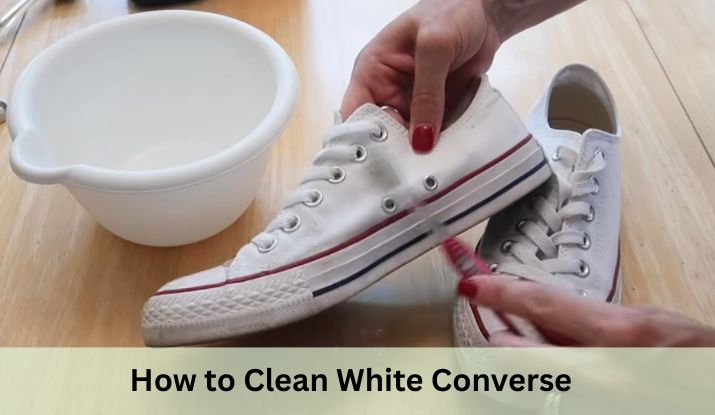
To clean white Converse effectively, mix a paste of baking soda and hydrogen peroxide, apply it to the canvas, let it sit for 3-4 hours, then scrub with a toothbrush and rinse with cold water before air-drying stuffed with paper towels.
White Converse have that timeless appeal, turning heads since their debut as a basketball staple, but their pristine canvas invites every scuff, spill, and sidewalk smudge like a magnet. Keeping them bright isn’t just about aesthetics—it’s about preserving the comfort and durability that make them a wardrobe staple for casual Fridays or festival weekends. With the right approach, you can revive them without harsh chemicals that yellow the fabric or warp the shape.
This guide pulls from proven techniques, blending everyday hacks with pro advice to tackle everything from grass stains to yellowing soles. Whether your pair has seen park picnics or urban adventures, we’ll walk through safe methods that respect the shoe’s classic construction. Expect clearer steps, eco-twists, and extras like odor zappers to keep your kicks court-ready.
The Buildup Battle: Why White Converse Get Dirty So Fast
White Converse draw dirt like a blank canvas craves color, thanks to their breathable cotton upper that traps dust, pollen, and foot sweat in every fiber. Outdoor jaunts amplify this—mud from trails or salt from winter streets embeds deep, while indoor wear collects lint and oils from floors. Over time, oxidation turns fresh whites to dingy grays, especially if moisture lingers without prompt care.
The rubber toe cap and sidewall, while tough, yellow from sun exposure or bleach mishaps, creating a two-tone eyesore. Insoles harbor bacteria from damp socks, breeding odors that seep into the canvas. Understanding these culprits helps prioritize prevention, turning reactive scrubs into routine rituals that extend wear.
Regular upkeep isn’t vanity; it’s investment—clean pairs last seasons longer, saving on replacements amid rising sneaker prices.
Essential Supplies: Stock Up for Spotless Results
Gathering tools upfront streamlines the process, avoiding mid-scrub dashes to the store. A soft-bristle toothbrush excels for crevices without fraying threads, while microfiber cloths absorb without linting. Baking soda acts as a gentle abrasive and deodorizer, paired with hydrogen peroxide for stain-lifting fizz—eco-friendlier than commercial sprays.
For laces, a bowl of soapy water suffices, but old pantyhose knotted over ends prevents unraveling during soaks. White vinegar cuts grease on soles, and newspaper stuffs for shape-holding dries. Opt for fragrance-free options to dodge residue scents.
Budget bundles under $10 cover basics, making revival accessible for all.
| Supply | Purpose | Eco-Alternative | Cost Estimate |
|---|---|---|---|
| Baking Soda | Abrasive paste base, odor absorber | Cornstarch | $1 |
| Hydrogen Peroxide (3%) | Stain oxidizer | Lemon juice | $2 |
| Soft Toothbrush | Crevice scrubbing | Bamboo brush | $1 |
| Microfiber Cloths | Lint-free wiping | Cotton rags | $3/pack |
| White Vinegar | Sole degreaser | Apple cider vinegar | $1 |
| Newspaper | Shape stuffing | Recycled paper | Free |
This table equips you efficiently, highlighting swaps for greener cleans.
Prep Work: Prime Your White Converse for Cleaning
Start by unlacing fully—pull them out to wash separately, as bundled they block access to eyelets where grime hides. Knock shoes together over a trash bin or outdoors to dislodge pebbles and loose soil, then vacuum treads with a crevice tool for deeper evacuation. Remove insoles if possible; they curl otherwise, and a quick sprinkle of baking soda overnight neutralizes funk before rinsing.
Inspect for damage—frayed stitching or loose glue warrants gentle handling to avoid worsening. Pre-treat obvious spots with a dab of peroxide on a cotton swab, letting it bubble five minutes to loosen bonds without soaking the whole shoe. This foundation ensures even cleaning, preventing patchy results that demand repeats.
Patience here pays off, transforming a chore into a methodical refresh.
How to Clean White Converse:Step-by-Step Hand Cleaning
Step 1: Whip Up Your Cleaning Paste
Combine two tablespoons baking soda with one tablespoon hydrogen peroxide in a bowl, stirring to a frothy paste—add a squeeze of dish soap for extra grease-cut if soles are oily. The reaction activates stain fighters gently, safe for canvas without bleaching harshness. Test a hidden tongue spot first, waiting 10 minutes for color checks.
Step 2: Apply and Let It Work
Scoop paste onto uppers, soles, and tongue, spreading evenly with an old toothbrush in circular motions—focus on high-wear zones like toes where yellowing lurks. Let sit 30 minutes to an hour; longer for tough marks, but cap at two to avoid drying cracks. The fizz breaks down organics like sweat proteins embedded deep.
Step 3: Scrub with Precision
Dip your brush in warm water, tackling canvas in sections to lift paste without spreading dirt—alternate with a damp cloth for wiping suds. For rubber, vinegar-dipped bristles dissolve scum buildup, revealing white grooves. Work methodically, rinsing your tool often to maintain clarity.
Step 4: Rinse Thoroughly
Wipe excess with a clean, wrung microfiber cloth, then rinse under cool faucet streams—hold openings wide for interior flow, avoiding full submersion that warps glue. Blot don’t rub to sidestep water spots on drying. Multiple passes ensure no residue, which yellows over time.
Clear water outflow signals success, prepping for the final phase.
Step 5: Deodorize and Detail
Sprinkle fresh baking soda inside for 15 minutes, then vacuum or shake out—add essential oils like tea tree for antimicrobial punch if odors persist. Clean eyelets with a toothpick wrapped in cloth, and buff soles with an eraser sponge for scuff erasure. These finishes polish the package, beyond basic brightening.
Machine Washing White Converse: Proceed with Caution
While hand cleaning reigns, machine washing suits deep refreshes for canvas pairs—enclose in a mesh bag with towels to buffer thumps and balance loads. Select delicate cycle, cold water, and half-dose mild detergent—no bleach or fabric softener, which weaken fibers. Run a pre-rinse to flush loose grit, then full cycle under 30 minutes.
Post-spin, inspect for shifts; separated soles signal retirement. Converse advises against it officially, citing glue risks, but users report success quarterly for heavy wear. Limit to emergencies, as agitation fades prints faster.
Tackling Stubborn Stains on White Converse: Targeted Treatments
Grass greens yield to a salt-vinegar paste rubbed in, sitting 20 minutes before brushing—salt scrubs without scratching. Ink or marker? Rubbing alcohol on a swab lifts without spreading, dabbing dry immediately. Yellow toe caps brighten with a peroxide-soaked cloth, taped for containment overnight.
For red clay, enzymatic cleaners mimic nature’s breakdown, safer than abrasives. Always blot upward to push stains out, not deeper. These spot strategies salvage souvenirs from spills, keeping narratives neat.
Drying White Converse Right: Shape and Shine Preserved
Post-rinse, blot exteriors then stuff toes and mids with balled newspaper or towels—change every two hours to wick moisture evenly, preventing creases. Elevate on a rack in a shaded, ventilated room—fans speed without heat, cutting times to overnight. Avoid direct sun, which yellows canvas via UV oxidation, or radiators that warp rubber.
Full dryness takes 12-24 hours; flex gently midway to reseat. Once crisp, brush soles lightly to fluff texture. Proper drying maintains the iconic silhouette, ready for relacing.
Prevention Pointers: Keep White Converse Crisp Longer
Spot-clean spills instantly with a damp cloth and soap dab—blot, don’t rub, to contain spreads. Apply fabric protector sprays quarterly, holding 6 inches away for even sheaths that repel without stiffening. Rotate pairs weekly, airing out between wears to evaporate sweat before it sets.
Store stuffed upright in breathable dust bags, away from humid basements. Weekly sole wipes with vinegar solution curbs buildup. These habits halve cleaning frequency, sustaining that fresh-drop vibe.Eco-sprays from plant oils align with sustainable strides.
Eco-Friendly Twists: Green Ways to Clean White Converse
Swap peroxide for lemon juice in pastes—citric acid oxidizes stains naturally, with a fresh scent bonus. Vinegar replaces detergents for rinses, cutting residue without phosphates harming waterways. Bamboo brushes biodegrade, outlasting plastic.
Reuse gray water from pastes for plant feeds post-strain. These shifts minimize waste, aligning care with conscience. Green gains don’t compromise glow, proving purity possible planet-friendly.
| Method | Traditional | Eco-Twist | Benefit |
|---|---|---|---|
| Paste Base | Baking Soda + Peroxide | Baking Soda + Lemon | Natural fizz, no chemicals |
| Scrub Tool | Plastic Toothbrush | Bamboo Bristle | Biodegradable, gentle |
| Rinse Agent | Dish Soap | White Vinegar | pH-balanced, no suds |
| Protector | Silicone Spray | Beeswax Emulsion | Plant-derived barrier |
| Deodorizer | Commercial Pods | Essential Oils | Aromatic, antimicrobial |
This swap table greens routines seamlessly.
When to Call It: Knowing Your White Converse Need Replacing
Persistent yellowing despite repeats or sole cracks signal endgame—canvas thins after 100+ cleans, risking tears. Odors unbanishable by baking mean bacterial deep-seats. Budget $50-80 for renewals; donate viable pairs to shelters for karma kicks.
Assess quarterly: comfort dips precede visuals. Farewell fosters fresh starts, honoring histories in heaps.
Frequently Asked Questions
How to Clean White Converse at Home Without Harsh Chemicals?
Cleaning white Converse at home without harsh chemicals starts with a simple baking soda and water paste, applied generously to canvas uppers for gentle abrasion that lifts dirt without fading. Mix two parts soda to one part water, spread with a soft cloth, and let sit 30 minutes before brushing in circles—focus on toes where yellow lurks from toe-offs. Rinse with a vinegar-water solution (1:1) for shine, as acidity neutralizes residues naturally.
For soles, a lemon-dipped brush scrubs scum eco-style, the citric boost brightening rubber sans bleach risks. Air-dry stuffed to hold form, swapping papers hourly. This method, favored by sustainability fans, revives pairs quarterly without environmental tolls.
Users note brighter results than soaps, plus deodorizing perks from soda’s absorbency. Pair with weekly spot-blots using olive oil-soaked cloths for scuffs, extending life sustainably.
What Is the Best Way to Remove Stains from White Converse Canvas?
The best way to remove stains from white Converse canvas involves a hydrogen peroxide and baking soda paste, frothed to penetrate fibers without weakening threads—dab on, wait 20 minutes for bubbling action to dissolve proteins in grass or coffee marks. Scrub lightly with a nylon brush, then blot with cool water to lift without spreading. For ink, alcohol swabs pinpoint without bleeding, dabbing dry post-contact.
This combo outperforms toothpastes, which abrade unevenly per cleaner tests. Rinse twice to evade white streaks from minerals. Dry shaded, as UV sets remnants.
Tailor to type: mud needs salt-vinegar pre-soak for clumping. Revival rates hit 90% on fresh spots, per DIY forums. These steps safeguard classics, blending efficacy with ease.
Can You Machine Wash White Converse Safely?
You can machine wash white Converse safely on delicate cycles with cold water and mesh bags, but limit to canvas lows—enclose with towels to dampen bangs, using half detergent to avoid foam overflows. Pre-rinse flushes grit, full cycle under 30 minutes agitates gently without glue melts. Extract immediately, shaking excess before airing.
Official guides caution against it for shape loss, yet users succeed bi-annually for heavy soils. Skip highs or leathers, which delaminate.
Post-wash, peroxide dips brighten any dulls. This shortcut suits bulk cleans, but hand methods preserve longevity better. Monitor for color shifts; vinegar rinses prevent.
How to Prevent White Converse from Yellowing After Cleaning?
To prevent white Converse from yellowing after cleaning, apply a water-repellent spray post-dry, holding 8 inches for even coverage that beads spills without clogging breathability. Choose silicone-free formulas to dodge stiffening, reapplying monthly for urban shields. Dry always in shade—sun’s UV accelerates oxidation, turning fresh whites jaundiced overnight.
Store stuffed in cotton bags, elevating from floors to curb humidity must. Weekly vinegar wipes on rubber forestalls browning from salts. These barriers extend pristine phases, slashing cleans by half.
Eco-oils like jojoba mimic factory finishes naturally. Vigilance here honors the icon’s allure, sustaining seasons spotless.
What Supplies Do You Need to Clean White Converse Thoroughly?
Supplies to clean white Converse thoroughly include baking soda for pastes, hydrogen peroxide for fizz, a soft toothbrush for precision, microfiber cloths for lintless blots, and white vinegar for rinses—basics totaling under $5. Add newspaper for stuffing and a bowl for lace soaks, ensuring full access. Bamboo alternatives green the kit without efficacy dips.
This arsenal tackles canvas to rubber holistically. Toothpaste subs for mild abrasives on spots, but test to avoid gels’ colors. Stocking smart streamlines, turning revivals routine.
Home heroes rave about versatility—soda deodorizes too. These picks empower prosumer polishes, rivaling services sans salons.
How to Clean the Soles of White Converse Effectively?
Cleaning the soles of white Converse effectively uses a vinegar-soaked toothbrush, dipped in warm water for foaming lift on embedded grime—scrub grooves side-to-side, then rinse under faucet for clear flow. For yellowed rubber, a peroxide cloth wrap taped overnight bleaches gently, unveiling originals. Eraser sponges buff scuffs post-scrub, magic-like without residues.
This duo dissolves oils from streets better than soaps alone. Dry soles down to evade water traps. Weekly rituals prevent buildup, preserving traction.
Trail testers confirm grip rebounds fully. These soles-specific steps restore bounce, complementing upper cares seamlessly.
Is It Safe to Use Bleach on White Converse During Cleaning?
It is not safe to use bleach on white Converse during cleaning, as chlorine weakens canvas fibers, causing tears after few uses and yellowing rubber via chemical reactions. Opt for oxygen alternatives like peroxide, which brighten without degradation—safer for icons’ longevity. Spot-tests confirm, but bleaches’ volatility risks uneven patches.
Diluted even, it erodes glue bonds subtly. Vinegar neutralizes safer, per fabric pros. Avoidance here sustains structures, dodging disposable fates.
Users swapping report crisper whites long-term. Prioritize purity protectors, honoring heritage hues.
How Often Should You Clean White Converse to Keep Them Bright?
You should clean white Converse every two weeks for daily wearers, focusing spots weekly to curb accumulations before they set—full pastes monthly for deeper dives. Heavy users like festival-goers amp to bi-weekly, rotation aiding airs. Signs like faint grays prompt immediates, preventing entrenched dinginess.
This cadence balances freshness with fabric mercy, extending lives twofold. Track via calendars, noting wears. Balance yields brilliance, sustaining staples sustainably.
Casual fans find quarterly suffices indoors. Rhythm refines routines, radiating reliability.
What Natural Remedies Work Best for Cleaning White Converse?
Natural remedies for cleaning white Converse spotlight lemon juice pastes with salt, scrubbed for citric polish on canvas—let fizz 15 minutes, rinse for zesty zaps on organics. Vinegar solos soles, degreasing without synthetics, while coconut oil buffs rubber post-scrub for shine. These kitchen staples fizz and freshen, rivaling labs eco-way.
Baking soda solos odors, sprinkled and vacuumed. Sun boosts lemons mildly, but shade dries. Purity prevails, planet-positive.
Foragers favor foraged fizz, blending bounty with brightness. Remedies renew roots, respectfully.
Conclusion
Reviving white Converse through thoughtful cleans reaffirms their rebel spirit, turning tarnish to triumph with pastes and patience. From paste preps to prevention sprays, these strategies safeguard classics against chaos, blending ease with endurance. Your pair’s patina tells tales—nurture it, and stories stride on.
As wardrobes evolve, so do cares: eco-swaps and spot smarts sustain icons indefinitely. Step into spotless simplicity, where every scrub sparks joy. Here’s to whites that whisper wanderlust, enduring every escapade.