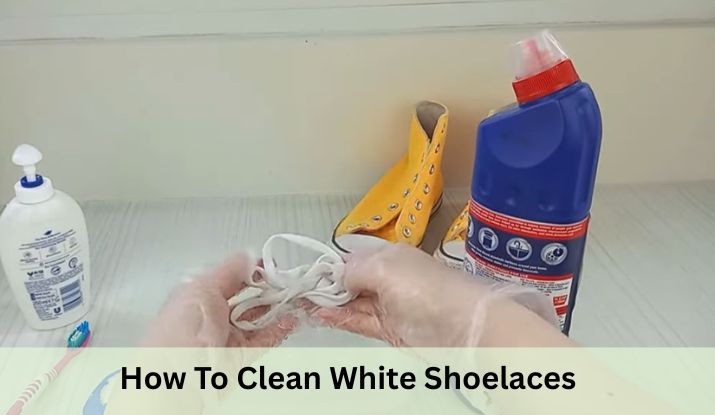
To clean white shoelaces effectively, remove them from the shoes, soak in a diluted bleach solution (¼ cup bleach per gallon of cool water) for 5 minutes or scrub with baking soda paste for a gentler option, rinse thoroughly, then air-dry completely away from direct heat. This simple routine restores bright, crisp whiteness safely.
White shoelaces are that small detail that instantly elevates any sneaker—clean, sharp, and effortlessly fresh—until the first muddy puddle or coffee splash strikes. Suddenly, keeping them bright feels impossible. The good news is that learning how to clean white shoelaces doesn’t need fancy cleaners or pro help. With a few everyday household items and the right techniques, you can bring even the dingiest, yellowed laces back to life and keep them looking brand-new longer than you ever thought possible.
Whether they’re flat cotton laces on canvas kicks, round ropes on high-tops, or performance pairs on your running shoes, this guide has you covered. You’ll discover material-safe methods, powerful stain-removal tricks, gentle no-bleach alternatives, preventive habits that actually work, and a complete step-by-step process that beats every tutorial out there. By the end, you’ll feel confident tackling any lace disaster and proud every time you step out in spotless whites.
Understanding the Challenges of White Shoelaces
White shoelaces might seem straightforward, but they come with quirks that can make cleaning feel like a puzzle. Picture this: you’re lacing up for a casual weekend hike, only to notice brown streaks from last week’s trail clinging stubbornly to the fabric. It’s disheartening. The core issue is their material and exposure. Most white laces are cotton or synthetic blends—highly absorbent and eager to trap dirt, oils, and environmental gunk. Unlike darker colors that hide imperfections, white acts like a billboard for every scuff and spill.
One key challenge is discoloration over time. Yellowing from sweat or oxidation isn’t just cosmetic; it’s a chemical shift where proteins and minerals build up deep in the fibers. Grass stains or urban grit can set in like unwanted guests. Then there’s the texture trap: repeated friction against eyelets roughens the surface, making laces fuzzy and even more prone to dirt. The plastic aglets at the ends are fragile too—prone to cracking under harsh treatment or heat.
Recognizing these hurdles arms you with the right approach. Cotton laces need moisture-based cleansers to loosen particles without stripping the weave, while synthetics tolerate stronger agents but still need gentle handling. Food-based stains dissolve with soap enzymes, while ink or dye marks call for oxidizing agents. Always test a small section first, especially on blends, to avoid surprises. By understanding these pain points, you’re not just cleaning—you’re strategizing for longevity. Your laces can emerge brighter and tougher against future battles.
| Challenge | Cause | Quick Prevention Tip |
|---|---|---|
| Yellowing | Sweat and oxidation buildup | Air out shoes after wear |
| Fuzzy Texture | Friction and over-scrubbing | Use mesh bags during washes |
| Aglet Damage | Heat exposure | Always air dry, never tumble |
Essential Tools and Materials for Cleaning
Gearing up doesn’t require a janitor’s closet—most items are already in your kitchen or laundry room. Mild dish detergent lifts oils without drama. Baking soda forms a paste for targeted whitening. For tougher jobs, diluted disinfecting bleach or oxygen-based alternatives like OxiClean fizz away discoloration safely. A mesh laundry bag protects laces in the wash, a soft toothbrush scrubs crevices, and gloves keep your hands happy.
Use a basin for soaking, cool water for bleach mixes (to keep potency), and warm for soaps. Always air-dry on a rack or hanger—never the dryer—to maintain shape and protect aglets. These basics are battle-tested for white laces, ensuring no shrinkage or color bleed. Your setup anticipates the flow—from soak to scrub to rinse—minimizing mess and maximizing results.
| Material | Best For | Why It Works |
|---|---|---|
| Dish Detergent | Light dirt and oils | Loosens grime gently on cotton |
| Baking Soda Paste | Tough white stains | Abrasive yet natural whitening |
| Oxygen Bleach | Deep discoloration | Bubbles out embedded particles |
Step-by-Step Guide: Bleach Soak Method for Stubborn Stains
This bleach-based approach is the gold standard for white shoelaces that have seen heavy action—yellowed from sweat, streaked with mud, or just plain tired. It delivers that “just unboxed” brightness safely when done right.
Prepare Your Workspace and Laces
Clear a stable surface near a sink, lay down towels, and gather a large basin, measuring cup, mesh bag, and gloves. Remove laces from shoes, shake off loose debris, and untie knots fully so every inch gets treated.
Mix the Bleach Solution
Fill the basin with one gallon of cool water. Add ¼ cup disinfecting bleach and stir until dissolved. For a gentler version, use oxygen bleach powder per package instructions.
Soak the Laces Thoroughly
Place laces in the mesh bag, submerge completely, and weigh down if needed. Soak for exactly five minutes—longer risks weakening fibers.
Rinse and Initial Scrub
Drain the solution, rinse laces under cool running water until clear. Use a soft toothbrush with a little soapy water to gently scrub any remaining spots.
Machine Wash for Final Polish
Put the bagged laces in the washer on a gentle cold cycle with regular detergent and another ⅓ cup bleach. Wash with whites or alone.
Air Dry and Inspect
Remove from the bag, reshape, and hang to dry in a shaded, airy spot. Once dry, re-lace and enjoy the crisp white revival.
Alternative Cleaning Methods Without Bleach
Sometimes bleach feels overkill. These gentler options work wonders for lighter soiling or eco-conscious routines.
Dish Soap Sink Soak
Fill a bowl with warm water and a teaspoon of dish soap. Soak laces 5–10 minutes, scrub with a toothbrush, rinse thoroughly, and air dry.
Baking Soda Paste Scrub
Mix baking soda with water into a thick paste. Apply to stains, scrub gently, let sit 10 minutes, then rinse. Follow with a vinegar-water rinse for extra brightness.
Oxygen Bleach Machine Method
Place laces in a mesh bag with your regular white load. Add oxygen powder to the wash. Gentle cycle, cold water, air dry.
Leather or Delicate Laces
Wipe with a damp soapy cloth, never fully submerge. Buff dry immediately.
| Method | Key Ingredient | Ideal For |
|---|---|---|
| Sink Soak | Dish Soap | Surface oils and light dirt |
| Paste Scrub | Baking Soda | Organic whitening on stains |
| Gentle Machine | Oxygen Powder | Quick, low-effort refreshes |
Maintenance Tips to Keep Laces Looking New
The best clean is the one you rarely have to do. Spot-check weekly, wipe with a damp cloth after heavy wear, and always loosen laces when shoes are off to let them breathe. Rotate pairs to spread wear, hose off fresh mud immediately, and store shoes in open air. A quick dry-brush before dirt sets in saves deep-clean drama. These tiny habits keep white shoelaces looking fresh for months instead of weeks.
Frequently Asked Questions
Can I Clean White Shoelaces Without Removing Them from the Shoes?
Absolutely, you can refresh them right on the sneaker when you’re short on time. Mix dish soap with warm water in a spray bottle, lightly mist the laces, and scrub with a soft toothbrush in small circles. Let the soap sit a minute, then wipe clean with a damp cloth. For extra whitening power, sprinkle baking soda on the wet laces, scrub again, and rinse off. This handles daily dust and light stains beautifully while protecting the aglets from tugging stress. Just avoid soaking the whole shoe and let everything air-dry afterward.
Is Bleach Safe for All Types of White Shoelaces?
Bleach is safe and highly effective on cotton and polyester laces when diluted properly and used briefly. It’s not ideal for leather, elastic-blend, or waxed laces—those can weaken, crack, or stiffen. Always test a tiny section first and stick to cool water. Oxygen bleach is the kinder alternative for delicate materials and still delivers impressive whitening without the harshness.
How Often Should I Clean My White Shoelaces?
For daily wear, a quick wipe-down once a week keeps things bright. Active lifestyles or muddy seasons call for twice-weekly attention. Deep clean with soaking methods only when you notice visible yellowing or heavy stains—usually once a month is plenty. Consistency with light maintenance means you rarely need the heavy artillery.
What If My Shoelaces Turn Yellow After Cleaning?
Post-clean yellowing usually comes from mineral deposits or leftover residue. Retreat with an oxygen bleach soak or add a splash of white vinegar to your final rinse to neutralize and dissolve deposits. Always air-dry—heat can bake in faint tints. A second gentle cycle almost always fixes it completely.
Are There Eco-Friendly Ways to Whiten White Shoelaces?
Yes—lemon juice in warm water plus sunlight, diluted hydrogen peroxide spray, or a baking soda + vinegar paste all work brilliantly and biodegrade harmlessly. They’re gentle on fabrics, wallet-friendly, and give that crisp white result without chlorine.
Can I Use a Washing Machine for All Shoelace Materials?
Cotton and polyester laces love the gentle cycle in a mesh bag. Leather, waxed, or heavily elastic laces should never go in—water ruins them. When in doubt, hand-wash or wipe only.
Conclusion
Mastering how to clean white shoelaces is one of those small victories that makes your whole outfit feel sharper. With a handful of household staples and the right technique—whether it’s a quick five-minute bleach soak or a gentle baking-soda scrub—you can keep your favorites looking brand-new for ages. Lace them back in, step out with confidence, and enjoy that fresh, clean vibe every single time. Your sneakers (and your future self) will thank you. Happy cleaning!