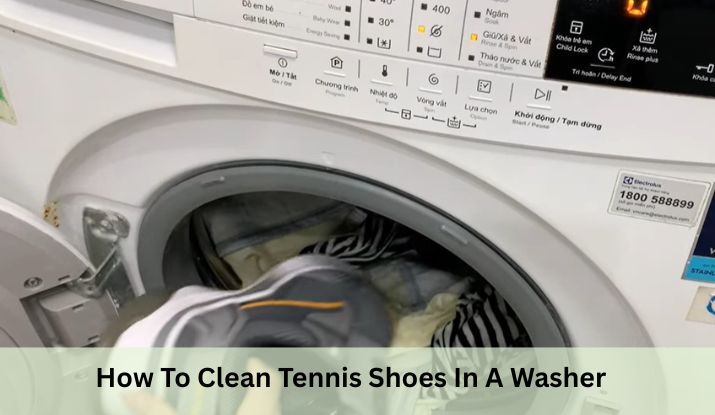
To clean tennis shoes in a washer effectively, select pairs made of canvas, mesh, or synthetics, remove laces and insoles, pre-treat stains with spray or soap, place in a mesh bag with towels for balance, run a cold gentle cycle using mild detergent and optional OxiClean, then air-dry stuffed with newspaper. This method refreshes without causing damage.
Tennis shoes endure everything from sweaty gym sessions to muddy park strolls, quickly turning from crisp companions to grimy reminders of adventure. When scrubbing by hand feels like a drag, the washing machine offers a tempting lifeline—promising spotless results with minimal fuss. But how to clean tennis shoes in a washer requires more than a casual toss; it’s about smart choices that protect your favorites while banishing built-up dirt and odors. Picture rescuing those canvas classics from a weekend hike, emerging ready for another round, all while you kick back—no elbow grease required.
This guide pulls together straightforward strategies to make the process feel effortless and reliable. We’ll break down which materials thrive in the spin, share prep tips that tackle tough spots like scuffed soles or faded whites, and explore cycle settings that deliver a deep clean without the risks.
Along the way, anticipate those nagging doubts: What about color bleeding?
Glue holding up?
You’ll find relatable tweaks, quick-reference tables for busy mornings, a detailed walkthrough for flawless execution, and fresh takes on common curiosities. Whether you’re dealing with everyday runners or casual low-tops, these steps blend convenience with care, ensuring your tennis shoes step out stronger. Ready to reclaim that fresh bounce? Let’s dive in, one balanced load at a time.
Understanding Which Tennis Shoes Suit the Washing Machine
Deciding if your tennis shoes can handle the washer’s whirl starts with a close look at their build—think of it as casting the right actors for a high-stakes scene, where durability steals the show. Fabrics like canvas stand out as stars, their tough weave enduring the agitation and suds without fraying or fading, perfect for those classic low-tops that see daily duty.
Mesh joins the lineup, its airy structure allowing water and detergent to flow through, lifting sweat stains and lint with ease. Synthetics such as nylon and polyester follow suit, their resilient fibers resisting shrinkage and emerging with that like-new flex, ideal for runners built for the long haul. Cotton elements blend in well too, absorbing just enough cleaner to flush out embedded grime while holding shape through the tumble.
Yet, some styles sit out the spin cycle entirely, and spotting them early saves heartbreak. Leather, with its polished appeal, turns brittle and prone to splits when soaked, as moisture seeps in and stiffens the surface like overbaked clay.
Suede takes the biggest hit, its soft texture clumping into a matted mess that loses all charm under water’s weight. Rubber or vinyl components might muddle by, but add metal cleats from athletic pairs, and they risk gouging your machine’s drum or popping loose mid-spin. Delicate details—silk linings, beaded accents, embroidered patterns, or shiny sequins—demand a pro’s gentle touch, as the machine’s motion could snag or strip them away.
A little story to bring it home: A friend once ignored the care tag on her leather-trimmed sneakers after a rainy commute, dreaming of a quick refresh. Out they came, warped and whispering glue woes—a costly cue to check labels first. Those tiny instructions, often tucked under the tongue or heel, serve as your script, flashing washer-safe icons or hand-wash warnings. Unclear? Dab a discreet spot with soapy water for a test run, watching for color run or texture tantrums.
Smoothing into the next act, mastering this matchup sets a confident stage. The right fit isn’t guesswork; it’s the gateway to glowing results, as one laundry guide gently reminds us.
To make your pick a breeze, here’s a simple selector:
| Material | Washer-Ready? | Why It Holds Up (or Doesn’t) | Common Pair Example |
|---|---|---|---|
| Canvas | Yes | Sturdy weave takes tumbles well | Everyday low-tops |
| Mesh/Synthetics | Yes | Lets water penetrate without shrinking | Breathable runners |
| Leather/Suede | No | Stiffens and mats from moisture | Premium casual styles |
This quick chart cuts through the clutter, transitioning neatly to prep that primes for perfection. With suitable shoes selected, you’re geared for the groundwork that greens every go.
Preparing Your Tennis Shoes for a Successful Wash
Prep might sound like extra steps, but it’s the secret sauce that elevates a basic rinse to a brilliant revival—think of it as the warm-up that prevents pulled muscles in your favorite pair. How to clean tennis shoes in a washer flows flawlessly when you start by shedding the add-ons: Untie and pull those laces loose, as they love to twist into trouble during the spin, potentially clogging drains or wrapping around moving parts. Gather them in a mesh net bag, or secure both ends with knots or pins for a safe solo swim—this keeps them from tangling and ensures they get their own thorough soak.
Insoles deserve a spotlight too; if they lift free (a feature in many padded designs), gently remove them for targeted treatment. These hidden heroes trap sweat and debris like sponges, so a quick brush with mild soap or a brief dip in sudsy water revives them without the full cycle’s intensity. Now, zero in on the grime magnets: Spray stubborn areas—like toe-box scuffs or side-panel smudges—with a pre-wash powerhouse such as Spray ‘n Wash, or apply a generous dab of laundry soap directly to the spots. Allow it to sit for a few minutes, giving the formula time to break down the bonds of dirt, grease, or grass embeds so the machine can sweep in for the win.
Soles call for special attention—a white eraser glides over rubber treads, gently buffing away black marks and yellow buildup without scratching the surface. Envision this: After a coffee spill on canvas uppers during a casual walk, I skipped the pre-spray once; faint outlines lingered like ghosts. That short dwell time? It transformed the outcome, pulling stains loose before the load even launched. As we ease into enclosure, these rituals not only boost brightness but buffer against backups like uneven cleans.
“Preparation turns potential pitfalls into polished performance,” notes a cleaning enthusiast in a nod to everyday efficiency.
Gliding forward, this foundation fuels the fun of loading up. It’s the thoughtful touch that turns tidy into terrific.
For a prep rundown that’s easy to reference:
| Prep Action | Key Tool | Benefit Breakdown | Time Tip |
|---|---|---|---|
| Lace Removal | Mesh bag/pins | Prevents spin-cycle snarls | Under 2 minutes |
| Insole Care | Mild soap brush | Targets odor-trapping spots | Quick 3-minute soak |
| Stain Pre-Treat | Spray/soap dab | Loosens tough embeds early | 5-minute rest period |
These essentials edge you toward the balance that brings harmony to the hustle.
Step-by-Step Guide: The Balanced Load Method for Washing Tennis Shoes
Unlocking how to clean tennis shoes in a washer reaches its peak with the balanced load method, a reliable routine that pairs protective wrapping with weight-wise companions for a spin that’s smooth and thorough. Drawn from shared successes, this approach suits canvas or mesh pairs bogged down by daily dust or workout wear, clocking about 40 minutes of cycle time followed by air-out. It’s adaptable for front- or top-loaders, emphasizing enclosure and evenness to nix noise and nurture structure.
Step 1: Secure in a Protective Wrap (2-3 minutes)
Begin by slipping your prepped shoes—laces and insoles aside—into a zippered mesh laundry bag or a pillowcase tied snug at the top. This fabric barrier acts as a bumper, softening impacts against the drum walls and containing any loose bits that might scratch or scatter. For front-load machines, a delicates sack with drawstrings shines, hugging the shape during the tilted tumble to minimize movement. The payoff? Less banging means more focus on flushing grime, protecting both your shoes’ seams and your washer’s shine. Quick check: If your pair has extra padding, double the layer to dampen any residual rumble.
Step 2: Assemble the Balancing Team (1-2 minutes)
Don’t let shoes go it alone—their lumpy form can throw the machine off-kilter, leading to vibrations that jolt the whole setup. Recruit 2-3 clean towels, a pair of jeans, or old T-shirts to join the party; these sturdy sidekicks distribute weight evenly, steadying the load like stabilizers on a bike. Not only do they quiet the whirl, but their texture adds gentle friction, helping dislodge stubborn sole debris mid-cycle. Keep the drum half-full at most—overstuffing squeezes out effective rinsing, leaving soapy shadows behind. Top-loader users, note how this crew cushions against the central agitator, preventing snags on its arms.
Step 3: Add Cleaners and Set the Controls (1 minute)
Measure out a mild, color-safe detergent—half a pod or a single tablespoon keeps things light, avoiding buildup that dulls finishes. For an extra lift on faded areas, stir in a scoop of OxiClean; its oxygen release targets yellowing and odors without the harshness of bleach. A drop of liquid bluing can subtly enhance whites, restoring vibrancy in a whisper. Dial to the gentle or delicate cycle with cold water locked in—warm settings risk contracting materials or weakening glue holds, while low-to-medium spin preserves padding without pulling threads. This combo ensures a hygienic flush, evicting bacteria from sweat-prone zones.
Step 4: Start the Cycle and Monitor Gently (30-45 minutes)
Hit go and give it space, but keep an ear tuned for off-beats like unusual hums, which might signal a shift in balance—pause if needed to rearrange the towels for a reset. The cold flow carries away contaminants steadily, with the delicate motion kneading fabrics softly to lift lint and stains. Front-loaders benefit from a pre-wipe on the door gasket to ward off moisture traps that breed mustiness later. In the mix, OxiClean’s fizz works quietly, breaking down embedded funk for a fresher finish. No interruptions? Let the rhythm run its course, emerging with shoes that feel renewed from the inside out.
Step 5: Retrieve and Initial Moisture Management (2 minutes)
Once the buzzer sounds, fish out the bag right away—lingering in wetness invites wrinkles or weak spots. Give a light shake to shed surface droplets, then pat down exteriors and interiors with a soft towel, pressing evenly to draw out excess without rubbing, which could fray edges. Immediately reshape by stuffing with crumpled newspaper or clean rags; these absorbers pull lingering damp from linings while maintaining the arch and toe form against collapse. A pro move: Swap the stuffing every couple of hours to accelerate the process, especially in humid spots.
Step 6: Complete the Air-Dry and Final Check (12-24 hours)
Position in a ventilated haven, like near an open window or under a gentle fan, steering clear of direct sun that could fade colors or heat sources that warp rubber. Flip periodically for uniform drying, allowing 12 hours for lightly soiled pairs or up to a day for heavier hits. When fully crisp, reunite with refreshed laces and insoles, then give soles a soft brush to fluff treads. The result? Shoes that grip, glow, and glide like day one.
This method’s charm lies in its collaborative calm: The wrap wards off wear, the team tempers torque, and cold care cradles integrity. One user’s front-loader tale of trail-dusted lows? “Beautifully back,” with no glue gripes or gray ghosts. Adjustments? Omit bluing for bold hues, amp Oxi for mega-muck. Glitch? Mid-spin shake? Redistribute allies. Subtle scent? Insole Oxi repeat. It’s the blueprint for boundless freshness, making washer wisdom your new best friend.
Optimizing Cycle Settings for Safe and Effective Cleaning
Hitting the right settings feels like tuning a radio to your favorite station—dial it in, and the clean sings; off-key, and static sets in. How to clean tennis shoes in a washer harmonizes best with choices that prioritize gentleness, ensuring dirt departs without drama. The gentle or delicate cycle reigns supreme, its mild motion mimicking a soft massage for irregular shapes, preventing the pounding that could loosen seams or compress cushioning. Cold water flows as the faithful partner, chilling the churn to safeguard against shrinkage in synthetics or color migration in mixed weaves—hot alternatives invite contraction that pinches padding and tempts adhesives to slip.
Detergent selection seals the sync: Opt for mild, non-bleach formulas that dissolve grime gracefully, steering clear of heavy loads that leave filmy finishes. A standard measure suffices, but layering in an oxygen-based enhancer like OxiClean elevates the equation—its effervescent action penetrates pores to dissolve dullness and neutralize nasty buildup, all while being kinder to fabrics than chlorine cousins. For whites waving a weary flag, a hint of liquid bluing whispers restoration, subtly shifting tones toward true without overbrightening.
Machine matters too—front-loaders lean into their horizontal grace, but a quick gasket wipe beforehand blocks breeding grounds for lingering damp. Top-loaders, with their vertical vigor, thrive when balanced to tame the agitator’s twist, avoiding catches on cross-pieces. Overfill? A frequent fumble that hampers water flow, trapping particles in tight turns—half-capacity invites the ideal interplay of soak, scrub, and rinse.
Relatable riff: Swapping to cold on a batch of mesh mids after a warm-water whoops saved the day, halting the subtle sag that sidelined them for weeks. > “Settings aren’t set-it-and-forget; they’re the score for a spotless symphony,” chimes a cycle curator.
As we pivot to post-wash peace, this calibration crafts confidence. From temp temperance to detergent duet, it’s the melody of maintenance.
For a settings swift-scan:
| Setting Element | Ideal Choice | Protective Perk | Enhancement Option |
|---|---|---|---|
| Cycle Type | Gentle/Delicate | Soft action on shapes | OxiClean for deep fizz |
| Water Temperature | Cold | Blocks shrinks and bleeds | Bluing for white pop |
| Drum Fill | Half-Full | Allows full rinse reach | Towels for even energy |
These notes nudge toward the nuance of drying, where details define the delight.
Related: Can You Machine Wash Converse?
Drying Techniques to Preserve Shape and Freshness
The wash wraps, but the real rest begins here—drying tennis shoes demands a patient pace, like letting dough rise before the bake, to lock in cleanliness without compromising comfort. How to clean tennis shoes in a washer finds its finale in this phase, where hasty heat can hollow cushions or harden heels. Banish the dryer from the script; its fiery fuss contracts canvas and coaxes creases, while blasting bonds that hold rubber firm.
Swift retrieval sets the tone: Snag shoes from the cycle promptly to evade stewing in suds’ shadow, then shake off stray splashes with a casual flick. Follow with a blotting ballet—soft towels press against panels and padding, coaxing moisture out through gentle dabs rather than drags that distress delicate weaves. The shape sentinel? Interior infusion: Crumple newspaper sheets or absorbent rags into firm forms and tuck them deep, drawing humidity from hidden hollows while propping the profile against pout. These fillers function double-duty, wicking away wetness that could warp the wedge or wilt the welt.
Venue vibes matter—ventilated vaults victory, such as a breezy balcony or fan-flicked corner, fostering free flow without the sun’s searing kiss that yellows yarns or heat’s hasty hug that brittles bases. Rotate routinely for equity, aiming for 12 to 24 hours of unhurried unwind, longer in muggy climes. A personal pivot: After a lakeside load left my runners rung out, newspaper nests on a rack revived their rise—no flattened flair, just full form.
“Drying deliberate crafts the durable; rush it, and resilience rushes away,” reflects a refresh ritualist.
Bridging to bump dodges, this interlude infuses integrity. It’s the quiet crescendo, crowning the clean with lasting lift.
| Drying Directive | Supportive Supply | Pitfall to Parry | Timeline Tune |
|---|---|---|---|
| Blotting Basics | Soft towel pats | Vigorous rubs | Immediate, 1-2 minutes |
| Stuffing Strategy | Newspaper/rags | Colored print risks | Swap every 2-3 hours |
| Placement Preference | Airy, shaded spot | Direct sun or dryer heat | 12-24 hours full |
These guides guard the gateway to glitch-free futures.
Troubleshooting Common Issues During and After Washing
Even the smoothest spin can spring surprises, but forearmed is forewarned—spotting and squashing snags keeps how to clean tennis shoes in a washer a joy, not a jolt. Vibrations often vibrate first, signaling an unbalanced brigade where shoes solo or overload, shaking the setup like a shaky hand. Rally reinforcements—extra towels redistribute the rhythm, calming the clatter and channeling energy to effective erasure. Persistent pound? Pause the pour and re-position, ensuring even embrace.
Glue grievances grumble post-pluck, soles sagging from warm-water whispers or vigorous vibes that vex adhesives. Cold constancy and delicate dials defend, but if separation simmers, a spot mend with flexible sealant revives resilience. Fading flickers? Fierce cleaners chase colors—mild merges with OxiClean mend the mishap, infusing fizz without fade. Residue riddles rise from rinse-shortfalls; an additional flush flushes fully, banishing buildup that beckons more mess.
Front-loader foibles, like gasket grime fostering funk, fix with faithful wipes—preventive pats post-use parry persistent puddles. Top-tumbler tangles on the tower? Mesh muzzles mischief. Echoed encounter: A user’s over-eager entry echoed in etched errors, but balance bailout brought bliss.
“Issues illuminate; address them, and your arsenal arms ahead,” advises an aid architect.
Flowing to fallback finesse, these fixes fortify flow. Snags aren’t stops; they’re steps to sharper savvy.
For issue interrupters:
| Issue Indicator | Likely Culprit | Quick Quell | Prevention Play |
|---|---|---|---|
| Vibration Vex | Uneven load | Add towels, rebalance | Half-drum harmony |
| Sole Separation | Heat or heavy cycle | Cold/gentle guard | Label-led choices |
| Color/ Residue Fade | Harsh agents | Mild + extra rinse | OxiClean infusion |
These safeguards segue to supple substitutes.
Hand Washing: A Gentle Backup for Delicate Designs
When the machine murmurs “maybe not,” hand washing steps up as the soothing alternative, offering precision for pairs that prefer a personal pamper. How to clean tennis shoes in a washer has its heroes, but this basin-based ballet suits suede softies or leather luxuries, granting granular control over grime without grand gambles.
Commence with a comfortable container filled to lukewarm levels—tepid tides temper without torment—then swirl in a scant scoop of gentle detergent for a frothy foundation. Immerse the inspected icons for 10-15 minutes, allowing the alliance to assault absorbs without assault. A soft-bristle brush then embarks, encircling exteriors and excavating edges with light lifts, focusing on flecked facets and forgotten folds.
Rinse with room-temp rivulets, wringing with care to expel excess elegantly. Blot as before, bolster with stuffing, and bestow to air’s embrace—echoing the machine’s mercy in measured moves. Vignette: A suede set’s post-shower shine, supple and serene. > “Hands harbor the nuance; it’s nurturing at its finest,” hums a hand-hold harbinger.
This tender tandem completes the canvas, from whirl to whisper.
Frequently Asked Questions
How can I prevent my tennis shoes from losing their shape after a washer clean?
Shape loss often creeps in from uneven drying or aggressive cycles that compress cushioning, but a few mindful moves keep your tennis shoes structured and springy. Start by always using the gentle setting with cold water—this combo avoids the heat that contracts fabrics and weakens the padding’s puff. Right after the cycle, blot excess moisture with a soft towel, pressing lightly rather than rubbing to pull water without distorting the form.
Then, stuff the interiors generously with crumpled newspaper or clean cloths; these act like internal supports, absorbing dampness from within while holding the heel cup and toe box in place. Change the stuffing every few hours to maintain even pull, especially if humidity hangs heavy. Place them on a flat surface or shoe rack in a well-ventilated area, away from direct heat or sun that could warp rubber elements.
One hiker I know skipped the stuffing on her mesh runners post-wash, only to find them flattened like pancakes—lesson learned, and now they stay arched for miles. This routine not only preserves the original silhouette but extends wear, ensuring every step feels familiar and firm. It’s that extra layer of love turning a good clean into a great one.
What’s the best way to handle odors that stick around after washing tennis shoes in a washer?
Lingering odors usually stem from incomplete rinsing or moisture pockets where bacteria throw a party, but tackling them head-on with targeted tweaks makes your tennis shoes smell as good as they look. Incorporate an oxygen booster like OxiClean into your detergent mix during the cycle—its fizz penetrates deep to neutralize the sweat acids and funk factories hiding in linings.
For extra insurance, pre-soak insoles in a vinegar-water blend before loading; the acidity zaps microbes without leaving a trace scent. Always run an additional rinse if your machine offers it, flushing out any detergent dregs that ferment in damp spots. Post-wash, ensure thorough air-drying by stuffing with odor-absorbing newspaper, which wicks away wetness while trapping smells like a natural trap.
Avoid stacking wet pairs, as trapped airlessness amplifies the issue. A gym enthusiast shared how her front-loader left runners reeking until she added that Oxi step—now, they’re fresh enough for overnight storage without a whiff. Pair this with occasional sole sprinkles of baking soda for maintenance, and you’ll sidestep the stink cycle entirely. It’s simple science meeting everyday ease, keeping your strides scent-free and stress-free.
Can washing tennis shoes in a washer cause color bleeding, and how do I stop it?
Color bleeding happens when dyes loosen under agitation or heat, turning vibrant accents into a muddy mix, but proactive picks keep your tennis shoes’ palette pristine. Stick to cold water exclusively—warm flows dissolve hues faster, while chilly temps lock them in place during the gentle cycle. Choose color-safe, mild detergents that clean without chasing pigments, and skip anything enzyme-heavy that might accelerate the release.
Pre-treat with a color-catcher sheet in the load; these fabric swatches soak up stray shades like sponges, protecting the rest from runaway runs. For mixed-fabric pairs, test a hidden seam with a damp cloth pre-wash to gauge stability. Enclosing in a mesh bag further buffers, limiting direct rub that rubs off tints.
Imagine a checkered low-top emerging streaked after a hot spin— a quick learner’s pivot to cold and catchers fixed it for future fabulous. Front-loaders fare better with their contained churn, but balance remains key to even exposure. This layered defense—cool, catch, contain—ensures patterns pop post-plunge, blending boldness with safety for shoes that stay true to their tones.
How frequently should I clean tennis shoes in a washer to keep them in top condition?
Washing too often wears down adhesives and fabrics, but hitting the sweet spot—every four to six wears for active pairs—maintains freshness without fatigue. Gauge by grit: If soles show daily dust or interiors feel sticky from sweat, it’s time, but rotate two or three pairs to space out the spins, giving each breathing room to rebound.
Canvas and mesh handle monthly machine dips well on gentle settings, emerging energized without erosion. For synthetics, bi-weekly works if pre-treated lightly to lessen load stress. Always air-dry fully between, as damp repeats invite mold mates. A weekend warrior found weekly whirls weakened her runners’ glue until she stretched to fortnightly—longevity leaped. Factor in lifestyle: Trail trekkers tip toward more frequent, urban walkers less.
This rhythm respects resilience, pairing periodic plunges with spot-wipes for sustained snap. It’s balanced care—regular enough for radiance, restrained for robustness—turning your tennis shoes into timeless teammates.
Is it safe to add other laundry items when cleaning tennis shoes in a washer?
Adding select items can enhance the clean, but choose wisely to avoid transferring lint or unbalancing the batch that burdens your tennis shoes. Towels top the list as ideal partners—their absorbency steadies the spin while providing friction to scrub soles gently, without shedding fibers onto fabrics. A pair of jeans or dark tees works similarly for heavier hits, distributing weight to hush vibrations in front-loaders.
Steer clear of fluffy delicates like wool socks, which lint-bomb light meshes, or anything brightly dyed that risks runoff. Keep the total half-full to ensure suds circulate freely, preventing incomplete cleans. One user’s towel-team transformed noisy loads into near-silent successes, with bonus buffing on treads. For whites, pair with neutrals to nix tint troubles. This curated crew—sturdy, shed-free—amplifies agitation safely, making mixed loads a multiplier for minty results. It’s communal cleaning done right, where harmony helps everyone emerge happier.
Conclusion
Mastering how to clean tennis shoes in a washer boils down to that perfect pitch of prep, protection, and patience—from material matches that make the cut to balanced spins that banish grime without grudge.
We’ve unpacked the no-gos like leather’s lament, armed you with cycle smarts and drying dances, and even hand-held havens for the holdouts. Your tennis shoes, those faithful foot friends, flourish under this finesse: Spotless soles, supple strides, and stories still unfolding.
Embrace the mesh, mind the mild, and marvel at the ease—cleaner kicks mean lighter loads on life. Step into it; your refreshed routine awaits, one triumphant tumble at a time.