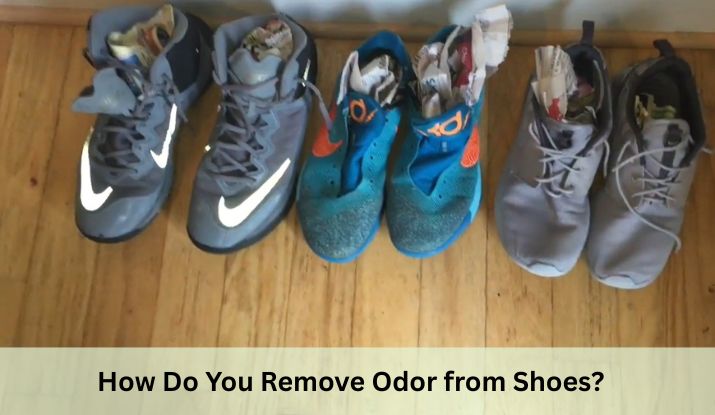
To remove odor from shoes, sprinkle baking soda inside them overnight to absorb moisture and neutralize bacteria-causing smells, then shake out the powder in the morning. For faster results, use a mixture of white vinegar and water spray, allow proper air drying, and place shoes in direct sunlight when possible.
We’ve all experienced that embarrassing moment—slipping off our shoes at someone’s home only to catch a whiff of an unpleasant smell. Shoe odor is one of those universal problems that affects everyone from athletes to office workers.
The good news?
You don’t have to live with smelly shoes or throw away your favorite pairs. Understanding how do you remove odor from shoes is simpler than you might think, and with the right techniques, you can keep your footwear fresh and pleasant-smelling all year round.
The truth is, shoe odor isn’t just about cleanliness—it’s about understanding what causes the smell and addressing it at the source. This comprehensive guide will walk you through proven methods for eliminating shoe odor permanently, whether you’re dealing with athletic sneakers, work boots, or casual shoes.
Understanding Why Shoes Develop Unpleasant Odors
Before diving into solutions, it’s crucial to understand what you’re fighting against. Shoe odor isn’t just about sweaty feet—it’s a complex biological process involving bacteria, moisture, and material breakdown.
Your feet naturally produce sweat as part of your body’s cooling mechanism, containing water, salts, proteins, and other organic compounds. When sweat accumulates inside your shoes, bacteria that naturally live on your skin begin to feast on these compounds.
As these microorganisms break down the sweat and dead skin cells, they produce organic acids as waste products, creating that characteristic foul smell.
Different types of bacteria produce different odors. Some create a vinegar-like smell, while others produce a cheese-like or ammonia-like odor. Fungal growth can also contribute to shoe odor, especially in warm, humid conditions. The material of your shoes plays a significant role in odor development.
Synthetic materials like plastic and rubber don’t breathe well, trapping moisture and heat inside. Leather and canvas offer better ventilation but can absorb odors over time. The insoles, which are in direct contact with your feet, absorb the most moisture and often become the primary source of persistent odors.
Environmental factors matter too. Wearing the same pair of shoes day after day doesn’t give them time to dry out completely. Hot, humid weather accelerates bacterial growth.
Activities that make you sweat more—like running, hiking, or working in hot conditions—obviously contribute to more intense shoe odor. Understanding these factors helps you target the root cause rather than just masking the symptoms with fragrances.
How Do You Remove Odor from Shoes: Step-by-Step Guide
Removing shoe odor effectively requires a systematic approach that addresses bacteria, moisture, and embedded organic matter. This step-by-step method works for most shoe types and odor severity levels. Start by removing the laces and insoles from your shoes.
This is crucial because insoles absorb the most sweat and harbor the highest concentration of odor-causing bacteria. Set these aside for separate treatment.
Next, shake out any loose debris, dirt, or dust from inside the shoes. Use a dry brush or cloth to wipe away any visible buildup on the interior surfaces. This physical removal of organic matter eliminates food sources for bacteria.
For the insoles, wash them in warm water with a small amount of mild detergent or dish soap. Use a soft brush to scrub both sides thoroughly, paying special attention to areas that contact your heel and forefoot. Rinse completely and set them aside to air dry—this typically takes 24 hours.
Now apply your chosen deodorizing treatment to the shoe interior. For how do you remove odor from shoes using baking soda, sprinkle two to three tablespoons inside each shoe, shaking to distribute the powder evenly throughout, including the toe box.
Leave the baking soda inside for at least 12 hours, though 24-48 hours produces better results for stubborn odors. Alternatively, create a 50/50 mixture of white vinegar and water in a spray bottle. Lightly mist the interior of each shoe without saturating the material. The vinegar kills bacteria on contact while neutralizing odor molecules.
Place the treated shoes in a well-ventilated area or outside in direct sunlight. Sunlight provides natural antibacterial properties through UV rays while helping shoes dry thoroughly. If weather doesn’t permit outdoor drying, position shoes near a fan or in a room with good air circulation.
Avoid placing shoes directly on heating vents or radiators, as excessive heat can damage adhesives and materials. After the treatment period, shake out all baking soda residue thoroughly. You may need to use a brush for textured interiors or shoes with many crevices.
Finally, reassemble your shoes once everything is completely dry. Insert the cleaned insoles, replace the laces, and perform a smell test. If odor persists, repeat the process or try a different method.
For severe odors, you may need to combine multiple approaches—such as baking soda treatment followed by vinegar spray, or adding activated charcoal sachets for ongoing odor control between wears.
Effective Natural Methods for Removing Shoe Odor
| Method | Best For | Time Required |
|---|---|---|
| Baking Soda | All shoe types, mild to moderate odors | 12-48 hours |
| White Vinegar Spray | Athletic shoes, bacterial odors | 24 hours drying time |
| Tea Bags | Leather shoes, moisture absorption | Overnight (8-12 hours) |
| Essential Oils | Dress shoes, prevention | Overnight treatment |
| Activated Charcoal | Severe odors, ongoing control | 24-48 hours initial |
| Freezing Method | Mild odors, quick results | 24 hours in freezer |
Nature provides some of the most effective solutions for eliminating shoe odor without harsh chemicals. These methods are safe, affordable, and often sitting right in your kitchen pantry.
Baking soda remains the gold standard for natural odor removal through a process called adsorption, where odor molecules physically bind to the baking soda particles. The alkaline nature of baking soda also neutralizes the acidic compounds produced by bacteria, providing dual-action odor fighting.
White vinegar offers powerful antibacterial properties that kill odor-causing microorganisms at their source. The acetic acid in vinegar disrupts bacterial cell membranes, effectively eliminating the organisms creating the smell.
While the vinegar scent might be strong initially, it dissipates completely as the shoes dry, taking the foot odor with it. Many people combine vinegar treatment with baking soda for a one-two punch against stubborn odors, though these should be applied separately rather than mixed together.
Tea bags provide a dual-action solution by absorbing moisture while releasing pleasant aromatic compounds. Black tea bags work particularly well because they contain tannins with natural antibacterial properties. Simply place two to three dry tea bags in each shoe and leave them overnight.
The porous tea leaves draw moisture out of the shoe material while the tannins inhibit bacterial growth. Green tea, which contains higher levels of catechins, offers even stronger antimicrobial effects for those dealing with persistent odor problems.
Essential oils offer natural antimicrobial properties combined with pleasant fragrances that don’t just mask odors. Tea tree oil, in particular, has strong antifungal and antibacterial effects supported by scientific research.
Eucalyptus oil provides similar benefits while also offering a refreshing scent. Add five to ten drops of essential oil to a cotton ball or small piece of cloth, then place it inside each shoe overnight. You can also create a DIY shoe spray by mixing ten to fifteen drops of essential oil with water and a tablespoon of witch hazel in a spray bottle for ongoing odor prevention.
Activated charcoal works similarly to baking soda but with even greater absorption capacity due to its incredibly porous structure. A single gram of activated charcoal can have a surface area exceeding 3,000 square meters.
You can purchase activated charcoal sachets specifically designed for shoes, or make your own by placing activated charcoal powder in breathable cloth bags.
Place these bags inside your shoes when you’re not wearing them, and they’ll continuously absorb moisture and odor molecules. The charcoal can be “recharged” by placing it in direct sunlight for a few hours, making it a reusable and environmentally friendly solution.
Deep Cleaning Techniques for Different Shoe Types
Knowing how do you remove odor from shoes effectively requires understanding that different shoe types need different approaches. What works for canvas sneakers might damage leather dress shoes, so matching your cleaning method to your footwear prevents damage while achieving optimal results.
Canvas and fabric sneakers are the most forgiving when it comes to cleaning. Many can be machine washed on a gentle cycle with cold water and mild detergent. Remove the laces and insoles first, and place the shoes in a mesh laundry bag or pillowcase to protect them during the wash cycle.
Leather shoes require more delicate treatment to avoid damaging the material or finish. Start by wiping down the interior with a slightly damp cloth to remove surface dirt and debris. For deeper cleaning, mix a small amount of mild soap with water to create suds.
Using a soft brush or cloth, gently clean the interior with just the suds—not the water itself—to avoid over-saturating the leather. Wipe away residue with a clean, barely damp cloth, then stuff the shoes with newspaper and allow them to air dry away from direct heat or sunlight, which can cause leather to crack or discolor.
Athletic shoes and running sneakers often face the most severe odor challenges due to intense sweat exposure during workouts and sports activities. Remove the insoles immediately after wearing and wash them separately with soap and water—many athletic shoe insoles can even go in the washing machine inside a laundry bag.
For the shoes themselves, create a cleaning solution with warm water and a few drops of dish soap. Use an old toothbrush to scrub the interior, paying special attention to seams, stitching, and crevices where bacteria hide and multiply.
Work boots present unique challenges due to their sturdy construction and specialized materials designed for protection and durability. Many work boots can’t be fully submerged in water without compromising their waterproofing or structural integrity, so spot cleaning becomes essential. Mix baking soda with a small amount of water to create a thick paste.
Apply this paste to the interior of the boot using a brush, scrubbing gently but thoroughly. Let the paste sit for fifteen to twenty minutes to break down odors and organic matter, then wipe away with a damp cloth. For boots with removable liners, take them out and wash them separately according to manufacturer instructions.
Sandals and open-toed shoes might seem less problematic, but they can still develop significant odors, particularly on the footbed where your feet make direct contact. Most rubber and synthetic sandals can be scrubbed with soap and water using a brush without any special precautions.
For leather sandals, use a leather cleaner and conditioner to clean and protect the material simultaneously. Cork footbeds require special care—clean them gently with a damp cloth and mild soap, then apply a cork sealant after they dry to prevent the material from cracking or deteriorating from repeated exposure to moisture and cleaning products.
Preventative Strategies to Keep Shoes Fresh
The best way to deal with shoe odor is preventing it from developing in the first place. These preventative strategies keep your footwear smelling fresh with minimal effort, saving you from dealing with severe odor problems later.
Rotating your shoes is perhaps the most effective preventative measure you can implement. Wearing the same pair of shoes two days in a row doesn’t give them adequate time to dry out completely, creating the perfect environment for bacterial growth. Ideally, you should have at least two pairs of shoes for regular wear and alternate between them daily, allowing each pair to dry thoroughly between uses.
Proper sock selection makes a substantial difference in odor control that many people overlook. Natural fibers like cotton and wool wick moisture away from your feet better than synthetic materials, though modern moisture-wicking athletic socks use advanced synthetic fibers designed specifically for this purpose.
The key is choosing socks appropriate for your activity level and changing them daily—or even mid-day if you’re particularly active or sweat heavily. Never wear the same socks two days in a row without washing them, as bacteria from the previous day will immediately recolonize your feet and shoes.
Foot hygiene forms the foundation of odor prevention since bacteria originate on your skin. Wash your feet thoroughly every day with soap and water, paying special attention to the spaces between your toes where bacteria and fungi thrive in the warm, moist environment.
Dry your feet completely before putting on socks and shoes—trapped moisture is the enemy of fresh-smelling footwear. Consider using antifungal powder on your feet if you’re prone to fungal infections like athlete’s foot, which can colonize both your feet and shoes simultaneously.
Using cedar shoe trees offers multiple benefits beyond odor control, making them an excellent investment for quality footwear. Cedar naturally absorbs moisture and releases a pleasant aroma that discourages bacterial growth while helping shoes maintain their shape.
Place cedar shoe trees in your shoes immediately after taking them off while they’re still warm—this maximizes moisture absorption when it matters most. The trees also help shoes maintain their shape, extending their lifespan and preventing creases that can trap dirt and bacteria.
Strategic storage prevents odor problems from developing or worsening when shoes aren’t being worn. Never store shoes in plastic bags or closed containers where moisture can’t escape—this creates a bacterial paradise with warm, humid, stagnant air. Instead, keep shoes in a well-ventilated area where air can circulate freely around them.
An open shoe rack works better than a closed closet, though if closet storage is necessary, ensure good air circulation. Avoid leaving wet or damp shoes in gym bags or car trunks where heat and moisture combine to accelerate bacterial growth exponentially.
Special Situations and Challenging Odor Problems
Some shoe odor situations require specialized approaches beyond standard cleaning and deodorizing methods. Understanding these special cases helps you tackle even the most stubborn problems effectively. Dealing with wet shoes from rain, snow, or water activities requires immediate action to prevent odor development before it starts. Never leave wet shoes to dry on their own without intervention—the prolonged dampness creates ideal conditions for mold and bacteria to establish colonies. Stuff wet shoes with newspaper, changing it every few hours as it absorbs moisture from the interior.
Addressing athlete’s foot and fungal infections requires a two-pronged approach targeting both your feet and your shoes simultaneously. The fungus that causes athlete’s foot can survive in your shoes for extended periods, reinfecting your feet even after successful treatment of the skin infection. Treat your shoes with antifungal spray or powder while treating your feet with medication prescribed by your healthcare provider. UV sanitizers are particularly effective for eliminating fungal spores that regular cleaning might miss, providing thorough disinfection that prevents the cycle of reinfection.
Vintage or thrift store shoes often come with embedded odors from previous owners that require more aggressive treatment since you’re dealing with long-established bacterial colonies. Start with a thorough cleaning using an enzymatic cleaner designed to break down organic matter at the molecular level. Follow with baking soda treatment for several consecutive days, refreshing the powder daily. If odors persist, try the freezer method: seal shoes in a plastic bag and place them in the freezer for twenty-four hours. The extreme cold kills many odor-causing bacteria, though this method works best for shoes without delicate materials.
Work boots exposed to chemicals, oils, or specialized environments may develop odors that standard methods can’t address effectively. For boots contaminated with chemicals, consult the material safety data sheet for appropriate cleaning methods—some chemicals require specific neutralization procedures before standard cleaning. Oil-contaminated boots may need repeated applications of degreasing dish soap or specialized industrial degreasers. In cases of severe contamination, professional cleaning or boot replacement might be necessary for both health and safety reasons.
Children’s shoes present unique challenges because kids’ feet are constantly growing, and they’re often less diligent about foot hygiene and reporting problems. Make shoe cleaning part of a regular routine, perhaps weekly during the school year when shoes see heavy use. Choose machine-washable shoes for young children when possible to simplify maintenance. Teach kids to alternate between at least two pairs of shoes and to come to you if their shoes start smelling bad rather than hiding the problem out of embarrassment or fear of getting in trouble.
Frequently Asked Questions
Can you completely eliminate shoe odor permanently or does it always come back?
You can successfully eliminate shoe odor and keep it away with the right combination of treatment and prevention strategies, though understanding realistic expectations is important. The key is recognizing that shoe odor isn’t a one-time problem you fix forever—it’s an ongoing battle against bacteria, fungi, and moisture that requires consistent management. However, this doesn’t mean you’ll constantly fight severe odors if you establish good habits that become second nature.
Complete elimination of existing odor requires killing the bacteria and fungi causing the smell, removing the organic matter they feed on, and ensuring shoes dry thoroughly between wears. This typically takes multiple treatments using methods like baking soda, vinegar, or commercial antimicrobial products applied consistently over several days. Deep cleaning the shoes, washing or replacing worn insoles, and potentially using UV sanitizers for severe cases addresses the root cause rather than just masking smells with fragrances that wear off quickly.
Once you’ve eliminated the odor, preventing its return becomes straightforward with proper maintenance routines. The bacteria causing shoe odor are naturally present on your skin and in the environment—they’re not something you can permanently eradicate from your life. However, by controlling the conditions they need to thrive, you can keep odor at bay indefinitely with minimal effort once systems are in place.
Is it safe to put shoes in the washing machine and dryer?
The safety of machine washing and drying shoes depends entirely on the shoe type, materials, and construction methods used in manufacturing. Many canvas sneakers and athletic shoes can be safely machine washed, but the dryer poses significant risks even for washable shoes. Understanding the specific requirements of your footwear prevents expensive damage while achieving effective cleaning that actually removes odors rather than just redistributing them.
Canvas and fabric sneakers generally tolerate machine washing well when proper precautions are followed. Remove laces and insoles first, placing the shoes in a mesh laundry bag or pillowcase for protection during the wash cycle. Use cold or warm water on a gentle cycle with a small amount of mild detergent—too much soap leaves residue that can attract dirt. Adding a few towels to the load provides cushioning and helps balance the machine, reducing noise and potential damage to both shoes and washer.
The dryer is where many people damage their shoes permanently. The high heat can melt adhesives holding the shoes together, causing soles to separate or uppers to deform beyond repair. Heat also damages many synthetic materials, causing them to shrink, warp, or lose their original shape. Even shoes that survive the heat may develop weakened bonds that fail prematurely during normal wear, shortening their lifespan significantly compared to properly air-dried footwear.
Air drying represents the safest approach for all shoes, including those machine washed successfully. Stuff shoes with clean, dry newspaper, paper towels, or microfiber cloths to help them maintain their shape while absorbing interior moisture efficiently. Change the stuffing every few hours as it becomes saturated, accelerating the drying process and preventing mildew formation that can occur in slow-drying shoes.
Why do some shoes smell worse than others even with similar use?
The variation in odor intensity between different shoes despite similar use patterns comes down to a combination of material properties, construction methods, fit characteristics, and individual biological factors. Understanding these differences helps you choose shoes that are naturally more resistant to odor development and adjust your care routine accordingly for different pairs in your collection.
Material breathability plays the primary role in determining odor development rates. Natural materials like leather and canvas allow significantly more air circulation than synthetic materials like vinyl, rubber, or certain plastics. Better airflow means moisture evaporates more quickly, giving bacteria less time to multiply and produce the organic acids responsible for unpleasant smells. Mesh panels in athletic shoes dramatically improve ventilation compared to solid synthetic uppers, explaining why some running shoes stay fresher longer.
Shoe construction affects moisture management in ways that aren’t immediately obvious to consumers. Shoes with removable insoles allow you to take them out for separate cleaning and drying, preventing moisture accumulation in the area absorbing the most sweat. Quality construction with proper lasting techniques creates space for air circulation inside the shoe that cheaper manufacturing methods skip. The adhesives used in shoe construction can also contribute to odors—some glues emit odors themselves or break down over time.
The fit of your shoes significantly impacts sweating rates and odor development patterns. Shoes that are too tight restrict air circulation and put pressure on your feet, causing them to sweat more as your body attempts to cool the compressed tissue. Shoes that are too loose cause your feet to slide around, creating friction that triggers increased sweating as a response to the mechanical irritation and temperature increase from the rubbing motion.
Does freezing shoes really kill the bacteria causing odor?
Freezing shoes can reduce bacteria populations and temporarily improve odors, but it’s not the complete solution many people believe it to be based on internet advice. Understanding the science behind freezing helps set realistic expectations and explains why this method works better as part of a comprehensive odor-fighting strategy rather than a standalone solution that permanently solves the problem.
Cold temperatures do slow bacterial metabolism and can kill some bacteria, but they’re not universally lethal to all microorganisms that cause shoe odor. Many odor-causing bacteria enter a dormant state when frozen, effectively pausing their growth and odor production but not eliminating them entirely from the shoe environment. Once the shoes thaw and return to normal temperatures with available moisture from your feet, these dormant bacteria can resume their activities, explaining why freezing often provides only temporary relief.
For freezing to have any meaningful effect, you need temperatures well below the freezing point of water for extended periods—not just overnight in a standard freezer. Simply placing shoes in a freezer for a few hours might not achieve sufficient cold exposure throughout the entire shoe, especially if your freezer is frequently opened or not set to very cold temperatures. Sealing shoes in plastic bags before freezing prevents frost formation inside while ensuring the entire shoe reaches and maintains freezing temperatures uniformly.
Freezing works best for mild odors and as a preventative measure rather than remediation for severe odor problems that have developed over weeks or months. If your shoes have heavy bacterial colonization and embedded organic matter providing abundant food for bacteria, freezing alone won’t solve the problem adequately. You need to remove the food source through thorough cleaning and address the remaining bacteria through antimicrobial treatments before using freezing to slow regrowth.
What’s the best way to remove odor from shoes that can’t get wet?
Shoes that cannot tolerate moisture—such as certain leather dress shoes, suede footwear, shoes with electronics, or those with specific manufacturer care instructions—require dry cleaning methods that effectively eliminate odor without water damage. Several approaches work well for these sensitive shoe types while preserving their integrity, appearance, and expensive materials that would be ruined by traditional wet cleaning methods.
Baking soda represents the safest and most effective dry method for moisture-sensitive shoes across all price ranges. Apply a generous amount directly inside the shoes, distributing it throughout including into the toe box and under any crevices where bacteria hide. Leave the baking soda in place for at least twenty-four hours, though forty-eight to seventy-two hours produces better results for stubborn odors that have been building over time. Shake out the powder thoroughly, using a soft brush if needed to remove residue from textured surfaces or detailed interiors.
Activated charcoal sachets or pouches provide ongoing odor absorption without any powder mess that baking soda can sometimes leave behind. Place these inside shoes immediately after wearing them while they’re still warm to maximize moisture absorption during the critical period when bacteria are most active. Leave the sachets in place until you wear the shoes again, creating a continuous odor control system. Quality activated charcoal products can be recharged by placing them in direct sunlight for several hours, then reused multiple times before replacement.
Essential oils offer antimicrobial properties through vapor action without requiring liquid contact with shoe materials that might stain or damage. Place several drops of tea tree oil, eucalyptus oil, or lavender oil on cotton balls, then place these inside the shoes overnight. The oils release vapor that helps kill bacteria while imparting a pleasant fragrance that replaces musty odors. Never apply essential oils directly to shoe materials, as they can cause permanent staining or damage to leather and other sensitive materials.
How often should you clean shoes to prevent odor buildup?
The ideal cleaning frequency for preventing shoe odor depends on several factors including how often you wear the shoes, what activities you perform while wearing them, the materials they’re made from, and your individual foot biology. Establishing a routine appropriate for your specific situation prevents odor problems while avoiding unnecessary wear from over-cleaning that can damage shoes prematurely through excessive chemical exposure or mechanical stress.
For everyday casual shoes or office footwear worn in climate-controlled environments with minimal physical activity, a thorough cleaning every three to four weeks typically suffices for most people. This assumes you’re rotating between multiple pairs and allowing each pair adequate rest time between wears—at least twenty-four hours for shoes to dry completely. A quick preventative treatment with baking soda or odor-absorbing sachets weekly keeps these shoes fresh between deeper cleanings that remove accumulated dirt and oils.
Athletic shoes used for exercise or sports require more frequent attention due to the intense sweating they endure during high-activity use. Clean these shoes after every five to seven uses, or whenever you notice odor developing regardless of how many times you’ve worn them. Remove insoles immediately after each workout, allowing both the insoles and shoes to air dry separately before storing them together, which prevents moisture transfer and bacterial growth during storage periods.
Work boots and shoes exposed to harsh conditions need cleaning based on their exposure levels rather than a set schedule that doesn’t account for variable conditions. Boots worn in dirty, wet, or contaminated environments may need daily attention—at minimum, removing insoles and allowing thorough drying each evening prevents severe odor problems. Apply appropriate protective treatments for the specific materials and conditions you encounter, as prevention proves easier than remediation for work footwear exposed to chemicals or biological contaminants.
| Shoe Type | Cleaning Frequency | Special Considerations |
|---|---|---|
| Casual/Office Shoes | Every 3-4 weeks | Weekly baking soda treatment |
| Athletic/Running Shoes | After 5-7 uses | Remove insoles after each use |
| Work Boots | Based on exposure (daily to monthly) | Daily airing out required |
| Leather Dress Shoes | Monthly deep clean | Use cedar shoe trees daily |
| Sandals | Every 2-3 weeks in summer | Clean footbed after beach/pool use |
| Children’s Shoes | Weekly inspection and cleaning | Choose machine-washable when possible |
Conclusion
Understanding how do you remove odor from shoes transforms from a frustrating mystery into a manageable routine when you apply the right knowledge and techniques consistently. Throughout this guide, we’ve explored the science behind shoe odor, discovered that bacteria and moisture create the perfect storm for unpleasant smells, and learned that addressing both factors is essential for lasting freshness.
The natural methods we’ve covered provide effective, affordable solutions accessible to everyone, while commercial products offer additional options for stubborn problems. Prevention emerges as the most important aspect—rotating footwear, choosing appropriate socks, maintaining excellent foot hygiene, and storing shoes properly prevents most odor problems from ever developing.
By implementing these strategies and establishing consistent routines, you’ll keep your footwear fresh and pleasant-smelling year-round without expensive treatments or constant worry about embarrassing situations.