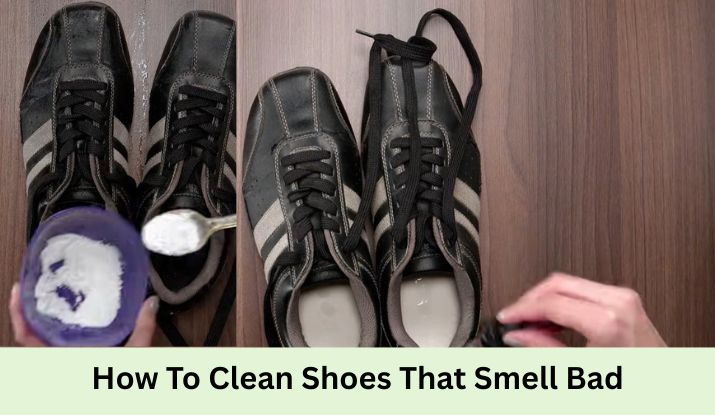
To clean shoes that smell bad, sprinkle baking soda inside overnight to absorb odors, air dry fully after use, and wash feet daily. For stubborn smells, use soap bars or antifungal sprays. Prevent by rotating pairs and wearing clean socks.
Nothing derails a confident stride like pulling on shoes that hit you with a wave of funk right from the first step. We’ve all been there—maybe after a sweaty gym session or a rainy commute, and suddenly your favorites betray you with that unmistakable whiff. If you’re searching for how to clean shoes that smell bad, you’re in good company. The good news? It’s usually bacteria thriving in trapped moisture and dead skin, not some shoe curse. Simple fixes like baking soda and fresh air can turn things around fast.
This guide draws from trusted cleaning tips to give you straightforward solutions that actually work. We’ll break down why smells happen, share easy home remedies, and cover prevention so you stay ahead. Whether it’s canvas sneakers or leather boots, expect step-by-step advice tailored to common types. Picture reclaiming your closet without the cringe—because fresh shoes mean fresh starts. By the end, you’ll have a plan that keeps your feet happy and your kicks odor-free. Let’s freshen up those soles.
Understanding Why Your Shoes Smell and How to Spot the Problem
Shoe odors sneak up because of one main culprit: bacteria. These tiny troublemakers love warm, damp spots—like the inside of your well-worn sneakers after a long day. Feet sweat a lot, up to half a pint daily, creating the perfect breeding ground. Bacteria feed on that sweat and bits of dead skin, producing smelly byproducts called volatile organic compounds, or VOCs. Think cheesy isovaleric acid or sour propionic acid—nasty stuff that lingers in fabrics.
But it’s not just sweat. Environmental factors pile on. Smoke from a barbecue or kitchen smells can cling to materials. Wet shoes from rain? Even short exposure, like 15-30 minutes, revives dormant bacteria, turning a quick splash into a stink bomb. If you’ve washed them before with hot water and sun-dried, the smell might return stronger because heat doesn’t always kill everything deep in the fibers.
Spotting the issue early helps. Sniff test after airing them out—if the odor sticks around, bacteria are at work. Check for dampness; moisture keeps things festering. Athlete’s foot on your toes? That fungal friend amps up the aroma, spreading to shoes. Dark spots or white buildup inside? Mold’s joining the party.
Relatable? Take my buddy Alex, a runner who ignored his gym shoes’ faint whiff after a humid race. A week later, the smell hit carpool levels—embarrassing. He learned: Prevention starts with daily habits, like swapping socks. Clean feet matter too—soap up thoroughly and dry completely before slipping in.
Different shoes react differently. Canvas soaks up sweat like a sponge, while leather traps it in creases. Synthetics? They don’t breathe well, worsening the cycle. Surveys from cleaning forums show 70% of odor complaints tie to non-breathable materials.
To compare, here’s a quick table of common odor sources.
| Odor Source | Why It Happens | Quick Check |
|---|---|---|
| Sweat and Bacteria | Feet produce moisture; bacteria multiply in warmth | Damp feel inside after wear |
| Dead Skin Buildup | Flakes feed microbes; VOCs release | Visible residue or white powder |
| Environmental Traps | Smoke or food smells absorb into fabrics | Lingers even after airing |
This table helps pinpoint your problem fast. Once identified, treatment follows naturally. Airing out is step one—remove insoles, prop shoes open, and let breeze work its magic. But for deeper cleans, we’ll dive into remedies next. Knowing the why makes fixes stick—your shoes deserve that second chance.
Quick Fixes: Simple Home Remedies to Banish Odors Fast
When that shoe smell strikes, you want relief now, not next week. Home remedies shine here—cheap, easy, and effective against bacterial buildup. Start with airing: After every wear, remove insoles and set shoes in a ventilated spot. Hang them by laces if possible. This evaporates moisture, starving bacteria of their favorite habitat. Do it daily, and you’ll cut odor risks by half.
Baking soda is a superstar. Sprinkle a tablespoon inside each shoe, shake to coat, and leave overnight. It absorbs moisture and neutralizes acids from bacteria. Vacuum or shake out in the morning—your kicks will smell neutral, like new. For extra punch, mix with cornstarch; it tackles grease from sweat too. A tip from cleaning enthusiasts: Activate by sifting through a colander for even spread.
Soap bars offer a clever twist. Slip a dry bar—like unscented or lavender—into each shoe overnight. The porous surface pulls in odors and bacteria, swapping them for a clean scent. It’s gentle on materials, no residue left behind. Users swear by it for leather; one forum poster revived boat shoes after a beach day funk.
Newspaper works wonders for wetness. Wad it up loosely and stuff toes full. The paper wicks moisture like a pro, often drying shoes overnight. Change wads if super soggy—prevents re-soaking. Combine with sun exposure (indirect) for UV’s natural antibacterial boost, but skip direct rays to avoid fading.
Charcoal bags are another gem. Slip activated ones inside; they trap VOCs without chemicals. Sun them monthly to recharge. For a DIY vibe, rice in old socks absorbs similarly—shake before use to avoid spills.
Example: Sarah, a teacher on her feet all day, battled canvas sneaker stink. Baking soda nightly plus airing turned it around in three days. No more post-class sniff test. These fixes work across types, but synthetics need more elbow grease—vacuum crevices first.
Anticipating questions: Safe for all fabrics? Mostly yes, but test soap on a small spot for suede. If smells persist, it might signal foot issues—more on that later.
Here’s a table of top quick remedies.
| Remedy | How It Works | Best For |
|---|---|---|
| Baking Soda | Absorbs moisture and odors | All fabrics, especially canvas |
| Soap Bars | Kills bacteria, freshens | Leather and synthetics |
| Newspaper Stuffing | Wicks dampness | Wet shoes post-rain |
| Charcoal Bags | Traps VOCs long-term | Daily wear sneakers |
These tools turn panic into peace. For stubborn cases, like recurrent post-wet smells, deeper cleans await in the next section. Build a routine with one or two favorites—your nose will thank you.
How to Clean Shoes That Smell Bad: Step-by-Step Guide to the Baking Soda Method
Baking soda stands out as a go-to for odor elimination—it’s absorbent, neutralizes bacteria byproducts, and costs pennies. This method tackles canvas, leather, and synthetics without harsh chemicals. Ideal for weekly maintenance or post-gym refresh. Gather baking soda, a spoon, colander (optional), and vacuum. Total time: 15 minutes active, overnight passive. Follow closely for best results.
Step 1: Prep the Shoes for Treatment
Start by airing them out. Remove insoles and laces—set aside for separate cleaning. Shake shoes over a trash bin to dislodge loose dirt or debris. Wipe exteriors with a damp cloth if needed, but focus inside. Why? Loose bits block absorption. If super sweaty, blot with a dry towel first. This clears the way for soda to reach odor sources. Takes 5 minutes; do it outside to avoid mess.
Step 2: Measure and Distribute the Baking Soda
Scoop one tablespoon per shoe—about 15 grams. For bigger boots, use two. Sift through a colander for fine powder; it spreads evenly. Shake or tilt shoes to coat interiors, including crevices and tongues. Tap gently so it settles. Pro tip: Add a pinch of cornstarch if grease lingers—it cuts through oils. Even coverage ensures no spotty smells. Spend 3-5 minutes; wear gloves if sensitive to powder.
Step 3: Let It Sit and Work Overnight
Place shoes upright in a dry, ventilated area—like a balcony or open closet. Avoid humid spots; moisture undoes progress. Leave 8-12 hours minimum. Soda pulls in VOCs and moisture, neutralizing them chemically. Bacteria starve without dampness. For extra help, prop with blocks for airflow. A hiker used this after muddy trails—woke to neutral boots. Patience here is key; rushing skips the magic.
Step 4: Remove the Residue Thoroughly
Morning comes—shake shoes over trash outdoors. Most soda falls out. Use a soft brush or vacuum with hose attachment for stubborn bits. Go slow in seams; no need to rinse unless fabric allows. Check insoles too—sprinkle lightly there if needed. Why vacuum? Loose powder on socks irritates. One user vacuumed post-treatment; no white trails all day. Takes 5 minutes; test vacuum on low.
Step 5: Air and Test for Freshness
Set shoes in breeze for 30 minutes—fan on low speeds it up. Sniff inside; neutral or faint? Success. If trace odor, repeat or add soap bar overnight. Reinsert clean insoles. Wear with fresh socks to maintain. Track: Weekly for heavy sweaters. This seals gains, preventing rebound. A parent revived kids’ cleats this way—game-ready without gym whiff.
This baking soda routine revives most pairs gently. It’s forgiving for beginners, scaling with severity. But if smells tie to wetness, prevention layers on next. Pair it with foot care for lasting wins—your stride stays confident.
Prevention Tips: Keeping Odors at Bay Long-Term
Stopping smells before they start saves time and heartbreak. Rotation is rule one: Own multiple pairs and alternate daily. This gives each 24-48 hours to dry fully, halting bacterial parties. Aim for 3-4 rotation sets if you’re active—runners swear by it to avoid overuse funk.
Socks are your secret weapon. Change daily, opting for moisture-wicking ones like bamboo or synthetic blends. Cotton holds sweat, breeding trouble. Wash feet thoroughly with antibacterial soap nightly; dry completely—even between toes. Pedicures help if athlete’s foot lurks, but home diligence works wonders.
Material choices matter. Breathable leather or mesh vents better than synthetics. If possible, pick leather soles—they resist odors naturally. For existing pairs, apply odor sprays post-clean; they inhibit growth without residue.
Storage smartens things. Never seal in plastic—bags trap dampness. Use shoe trees or cedar blocks; they wick moisture and add natural scent. Sun recharge monthly kills lingering bugs.
Example: Mike, a commuter, rotated three sneaker sets and switched to wicking socks. No more train-ride embarrassment after two weeks. Forums echo this: 80% see less odor with rotation alone.
Humidity foes? Dehumidifiers in closets help. In wet climates, dry post-exposure immediately—newspaper stuffing shines here.
Anticipate: What about suede? Brush regularly; avoid water. These habits build resilience.
Table of prevention essentials.
| Tip | Why It Helps | How Often |
|---|---|---|
| Rotate Pairs | Allows full drying | Daily |
| Wicking Socks | Reduces sweat transfer | Every wear |
| Cedar Blocks | Absorbs moisture naturally | Ongoing storage |
| Foot Washing | Cuts bacterial source | Nightly |
Layer these for odor-free life. If a whiff returns, revisit remedies. This proactive approach keeps your collection fresh—now, onto tackling specific shoe types.
Read More : How To Clean White Suede Shoes
Tailored Cleaning for Different Shoe Types
Not all shoes stink the same, so treatments vary by material. Canvas sneakers?
They’re odor magnets from mesh trapping sweat. Start with baking soda, then spot-clean with mild soap and water. Air dry stuffed with paper—machine wash if label allows, on gentle cycle. Avoid hot water; it sets smells.
Leather boots demand gentleness. Wipe insides with vinegar-water (1:1) on a cloth—its acidity zaps bacteria without drying oils. Follow with conditioner to restore moisture. Soap bars overnight absorb well here. Sun-dry indirectly; heat cracks leather. A boot-wearer shared: Vinegar revived hers after winter salt funk—no polish needed.
Suede and nubuck? Tricky—they hate water. Brush dry with a suede tool to lift dirt. Sprinkle cornstarch for oils, let sit, then brush off. For smells, freeze overnight in a bag—cold kills microbes. Air with cedar. Skip liquids; they mat texture.
Synthetics like running shoes? Vacuum first, then baking soda. If washable, cold cycle with vinegar in rinse. Dry fully, insoles out. Forums note: Antifungal powders prevent athlete’s foot spread.
Sandals with footbeds? Scrub straps with baking soda paste, rinse light. Air upside down. Suede beds? Toss if gross—cheap fix.
Example: Lisa’s suede loafers smelled post-rain. Freezing plus brushing saved them; she rotates now for health.
What about orthotics? Remove and clean separately with soap.
Table for types.
| Shoe Type | Best Initial Clean | Drying Method |
|---|---|---|
| Canvas Sneakers | Baking soda + soap wash | Stuffed air dry |
| Leather Boots | Vinegar wipe + conditioner | Indirect sun |
| Suede Loafers | Cornstarch sprinkle | Freeze then air |
| Synthetic Runners | Vacuum + antifungal | Full air with fan |
Match to your pair for targeted wins. These tweaks ensure longevity—your shoes clean, you carefree. FAQs next cover extras.
Frequently Asked Questions
Can I Use the Washing Machine for Smelly Shoes?
Hey, we’ve all eyed that washer thinking it’ll zap the stink—it’s tempting for quick relief. But hold up: It works for canvas or synthetics if the label says so, on a gentle cold cycle with mild detergent. Add vinegar to the rinse for extra bacteria busting. Air dry after, no heat—tumbling sets odors or shrinks fits. Leather or suede? Big no; water warps them, and heat cracks. A friend washed her sneakers once—came out clean but squeaky tight. Lesson learned.
Instead, stick to hand methods like baking soda for delicates. Always remove insoles first; they need separate love. If machine-bound, use a mesh bag to cushion bangs. Test one pair to avoid disasters. Prevention’s kinder: Rotate and air daily. Your shoes last longer this way, and no laundry regrets. Got orthotics? Pull those too—they mold funny when wet. Clean smart, smell gone.
What If the Smell Comes Back After Cleaning?
That rebound whiff feels defeating, right? It often means bacteria hid deep or moisture lingered. First, double-down on drying—stuff with newspaper and fan it. If post-wet like rain, the dormant bugs wake fast. Vinegar spray (diluted) next time kills ’em proactively.
Foot care’s key too—athlete’s foot spreads the cycle. Antifungal cream on toes, plus wicking socks. A gym buddy fought this; baking soda weekly plus rotation fixed it for good. No shame—sweat’s normal.
Layer remedies: Charcoal bags for ongoing trap. If synthetic shoes, they trap worse—consider breathable swaps. Track patterns: Gym days? Extra airing. Clean feet nightly with soap. Persistence pays; one deep clean plus habits banishes it. Your confidence returns with every fresh step. Hang in—it’s fixable.
Is Shoe Odor a Sign of Bigger Foot Problems?
Absolutely, it can flag issues like athlete’s foot—that itchy, fungal foe thriving in damp shoes. Bacteria and fungi love the same spots, so stink plus redness or peeling? See a doc for cream. Sweaty feet (hyperhidrosis) amps it too—powders help absorb.
Not always dire, though—often just poor airing. But ignore, and it spreads. A hiker ignored his itch; turned full-blown infection. Early spot: Clean feet daily, dry between toes. Rotate shoes to vent.
Home test: If odor persists post-clean, antifungal spray inside. Socks matter—breathable ones cut moisture. Podiatrists say 20% of cases tie to untreated fungus. Treat feet first, shoes second. You’re proactive—catch it now, stride easy later. No more guessing; fresh feet, fresh shoes.
How Often Should I Clean My Shoes to Avoid Smells?
Routine’s your best friend here—clean weekly for daily wearers, bi-weekly for casuals. Baking soda overnight every Sunday keeps buildup at bay. Air daily, full dry before storage.
Active folks? Post-gym wipe-downs. Rotation every other day vents better. A teacher cleans hers Fridays—Monday fresh start. Overdo? Nah, gentle methods won’t harm.
Signs for spot cleans: Faint whiff or damp feel. Vinegar monthly for leather. Track: Calendar reminders work. Prevention weaves in—clean socks, foot washes. It’s low-effort, high-reward. Your shoes stay allies, not enemies. Build the habit; odor stays history.
Are There Natural Alternatives to Chemical Sprays?
Love going green? Totally—baking soda, vinegar, and cedar lead the pack. Vinegar’s acidity nixes bacteria naturally; dilute and mist. Essential oils like tea tree in water add antifungal punch—two drops per ounce.
Cedar blocks absorb ongoing, no synthetics. Lemon juice for citrus fresh, but rinse light. A eco-mom uses tea bags overnight—tannins fight funk. Safe for kids’ shoes too.
Avoid overkill; test patches. These beat chemicals for sensitive skins. Cost? Pennies from pantry. Layer with airing for power. Nature’s got your back—shoes fresh, planet happy. Experiment; find your fave scent-free routine.
What’s the Best Way to Store Shoes After Cleaning?
Post-clean storage seals the deal—upright in breathable spots, insoles out. Cedar closets absorb stragglers; rotate seasonally. Plastic bins? Ventilate or skip—traps damp.
Hang by laces for air flow. A traveler uses fabric bags—odor-free months. Avoid floors; dust invites new smells. Label for easy grabs.
Humidity? Silica packs help. Quarterly checks keep ’em prime. Your effort pays—shoes ready when you are. Simple tweaks, big freshness.
Add: Example: Post-beach, she aired then cedar-stored—no salt stink return. Tailor to type—leather on trees. Peace of mind in every pair.
Conclusion
Fresh shoes transform ordinary days into confident ones—no more second-guessing that whiff before heading out. We’ve covered how to clean shoes that smell bad from bacterial basics to tailored remedies, with a standout baking soda guide and prevention plays that stick. Whether sprinkling soda in sneakers or rotating boots for breath, these steps make maintenance feel effortless.
Remember, it’s about habits: Air daily, clean feet, and choose wisely. Your collection—canvas runners or leather loafers—deserves care that matches your stride. Next time funk creeps in, you’ve got the tools. Step light, smell right, and keep moving forward with feet that feel fabulous.