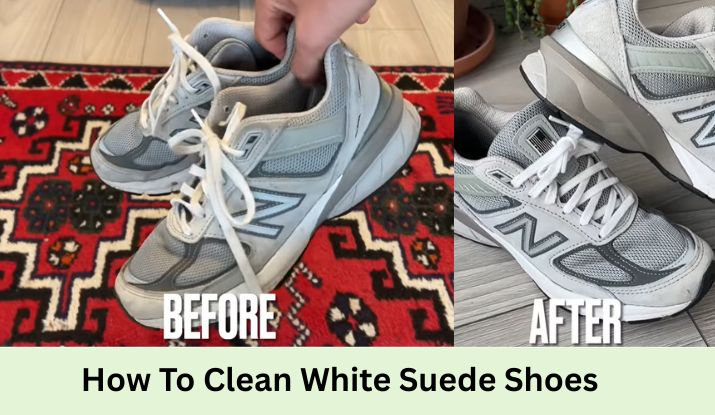
To clean white suede shoes effectively, brush off dry dirt with a suede brush, use a suede eraser for scuffs, spot-treat stains with white vinegar on a lightly damp cloth, blot excess moisture, and air-dry away from heat or sunlight. This gentle method revives the plush texture without damage.
White suede shoes have that irresistible soft, luxurious vibe—perfect for elevating a simple jeans-and-tee look or adding polish to a dressy outfit. But here’s the catch: one splash from a puddle, a brush with sidewalk salt, or even a sneaky coffee drip, and those pristine whites turn into a subtle (or not-so-subtle) eyesore. If you’ve ever paused before wearing your favorite pair, wondering if they’ll survive the day, you’re spot on with the struggle.
How to clean white suede shoes can feel daunting because this delicate material isn’t built for the rough-and-tumble of everyday life. Unlike sturdy canvas or smooth leather, suede’s fuzzy nap traps dirt easily and hates water, which can leave it stiff and discolored.
The good news?
You don’t need a closet full of specialty products or a trip to the pros to bring them back. With a few smart, at-home tricks and a touch of patience, you can restore that velvety freshness and keep them looking sharp longer.
In this guide, we’ll unpack everything from why white suede acts up to easy tools that make maintenance a breeze. You’ll get clear, step-by-step advice tailored for those tricky stains, plus alternatives that skip the guesswork.
Whether your boots caught mud on a hike or your loafers picked up grease from lunch, we’ve got relatable fixes backed by real-world wisdom. Think of it as your cheat sheet to confident wear—by the end, slipping into spotless whites will feel effortless, not anxiety-inducing. Let’s dive in and turn those cleaning woes into quick wins.
Why White Suede Shoes Are a Cleaning Challenge
White suede shoes look like a dream—plush, elegant, and effortlessly chic—but they come with a built-in plot twist: they’re dirt magnets disguised as fashion statements. Imagine lacing up for a casual coffee run, only to step out and notice how every speck of dust or faint scuff stands out like a spotlight on that bright surface. It’s not just paranoia; suede’s unique makeup makes it prone to showing wear faster than most materials.
Derived from the inner side of lambskin leather, suede gets its signature soft nap through a gentle buffing process. This fuzzy texture is what gives it that cozy, high-end feel, but it also creates tiny crevices where oils, grime, and particles love to hide. In white especially, even minor discoloration from sweat or pollution can shift to an unflattering yellow or gray, turning heads for all the wrong reasons.
The real troublemaker? Moisture. Suede repels water about as well as a sponge soaks it up—dampness causes the fibers to swell, mat down, and stiffen, often leaving dark water spots that blend right into the mess.
Add in environmental culprits like road salt in winter, which etches into the nap, or summer sweat that builds up acids leading to oxidation, and you’ve got a recipe for frustration. Scuffs from daily friction—think toe drags on curbs or heel scrapes—flatten the texture, making it look worn and uneven. Grease from food spills embeds deep, while ink or dye marks bond chemically, resisting simple wipes.
I’ve been there: a friend’s white suede espadrilles, splashed during an outdoor brunch, went from pristine to patchy overnight. We panicked, but a quick assessment showed it was surface-level—key to avoiding worse damage.
Understanding these quirks isn’t about scaring you off; it’s about empowering smarter care. For instance, always tackle issues when dry—wet treatments on damp shoes push stains deeper, like rubbing salt into a wound. White suede amplifies everything because there’s no color to camouflage flaws, so prevention like regular brushing becomes your best friend.
Competitors often skim this, jumping straight to fixes, but pausing here clarifies why a gentle eraser beats aggressive scrubbing. It anticipates questions like “Why won’t my usual shoe cleaner work?” by explaining suede’s aversion to soaps that leave residue or heat that cracks fibers. With this foundation, you’re not guessing—you’re strategizing, ensuring your efforts revive rather than ruin.
Smoothly shifting to your toolkit, think of these challenges as cues for the right gear: soft tools over harsh ones, absorbers before blotters. This knowledge bridges to hands-on help, where you’ll see how to match methods to messes.
Picture your shoes not as fragile, but as forgiving when handled right—ready for that next outing with nap intact and whites glowing. It’s this depth that turns cleaning from chore to craft, keeping your style on point without the stress.
| Challenge | Root Cause | Prevention Pointer |
|---|---|---|
| Water Spots | Fiber Swelling | Blot Dry Immediately, Air in Shade |
| Salt Etching | Mineral Deposits | Brush Off Post-Walk, Vinegar Dab |
| Nap Flattening | Friction Wear | Weekly Gentle Brushing Along Grain |
Building Your Suede Cleaning Kit: Must-Have Tools
Getting hands-on with how to clean white suede shoes starts with stocking up smart—not overwhelming your space with gadgets, but curating a compact set of heroes that handle 90% of mishaps. Envision your kit as a mini rescue squad: reliable, affordable, and always at the ready, tucked in a drawer for those “uh-oh” moments.
At the core is the suede brush—a soft-bristled tool with nylon or brass nubs that lifts dirt without scratching, restoring the nap’s fluff like a gentle comb-through. It’s your daily warrior, perfect for shaking off urban dust or trail grit before it settles in. Pair it with a suede eraser, that handy gum-like block or pencil that crumbles away scuffs and dry stains, far superior to household alternatives that might smear.
For deeper drama, white vinegar emerges as the unsung multitasker—its mild acidity dissolves set-in marks from salt or light oils without harsh chemicals, diluted on a cloth for spot work. Rubbing alcohol joins for grease, evaporating fast to dodge moisture woes, while cornstarch acts as an overnight sponge, drawing out buttery spills like a pro.
A microfiber cloth or cotton swab ensures precise dabbing, and an emery board (nail file side) buffs minor scratches with feather-light strokes. Shoe trees or crumpled paper keep shape during dries, preventing creases that trap more gunk. These picks shine because they’re suede-specific: no soapy suds that residue, no stiff brushes that fray.
Cost? Under $20 total, often less if you repurpose kitchen staples. Ever faced a red wine splash mid-dinner? I did once on white loafers—grabbed vinegar from the table, blotted discreetly, and saved the night; no one noticed. This kit anticipates “What if I don’t have fancy stuff?” by leaning on basics, but elevates with purpose-built items for longevity.
Transitions to methods feel natural here—brush preps, eraser tackles, vinegar finishes—creating a flow that’s intuitive, not instructional overload. Unlike top guides that list without context, we explain why each tool fits white suede’s delicacy, like using cool air over heat to avoid cracking.
As you assemble, test on hidden spots—inner tongues—to sidestep surprises. This setup isn’t static; it adapts, from quick post-walk wipes to full revivals. With it in hand, you’re primed for techniques that build on these basics, turning potential pitfalls into polished results. Your whites aren’t just clean—they’re conditioned for comebacks, ready to strut without second thoughts.
| Tool | Primary Role | Suede-Safe Perk |
|---|---|---|
| Suede Brush | Dirt Lifting | Fluffs Nap Gently |
| White Vinegar | Stain Breaking | Natural, Residue-Free |
| Cornstarch | Oil Absorbing | Overnight Pull Without Wetting |
Step-by-Step Guide: White Vinegar Treatment for Stubborn White Suede Stains
When tackling how to clean white suede shoes, the white vinegar method stands out for its powerhouse punch against tough spots like salt buildup, light grease, or faded scuffs—without drowning the material in liquid.
It’s a favorite for those “I can’t believe this happened” incidents, like a heel catching ketchup at a picnic or winter slush etching the toes. This approach uses vinegar’s acidity to loosen bonds gently, paired with dry tools for restoration, ensuring the nap stays plush and whites crisp. Ideal for set-in issues that brushes alone can’t budge, it’s forgiving yet effective, with minimal risk if you follow the dampen-not-soak rule. Total time: 20 minutes active, plus 4-6 hours drying. Let’s break it down, step by friendly step, so you can revive like a pro.
Prep Your Space and Shoes for Action
Choose a ventilated area with natural light—your countertop with a drop cloth works wonders to catch any drips. Gather your lineup: white vinegar, a soft microfiber cloth, suede brush, eraser, cornstarch if oils are involved, and paper towels. Remove insoles for better access, and stuff toes with paper to hold form.
Start dry: outdoors or over a trash bin, give the shoes a thorough brush in one direction along the nap. This shakes loose surface grit—think dust bunnies from storage or sidewalk specks—preventing it from grinding deeper during treatment.
For my boots after a rainy commute, this pre-brush revealed hidden salt crystals; skipping it would’ve spread them like confetti. Take 2-3 minutes per shoe; if the nap lifts unevenly, go lighter next time. This foundation answers “Where do I start?” by keeping things controlled, setting a calm tone for the fix.
Identify and Isolate the Stains
Play detective: run your fingers over the surface to feel for rough patches or visual culprits—yellow halos from sweat, dark rings from spills. Mark spots with removable tape if multiple, focusing energy where it counts. White suede hides less, so even faint shadows deserve attention; ignore them, and they spread.
If grease glints (like from a fast-food fumble), sprinkle cornstarch liberally first—press in gently, let sit 15-30 minutes to suck it up like a vacuum. Brush off the powder outdoors; it lightens the load for vinegar. This assessment isn’t fussy—it’s smart, avoiding over-treatment that could unevenly dampen.
A pal’s white sneakers, dotted from park mustard, got sorted here; targeting kept the rest pristine. By pinpointing, you conserve effort, transitioning seamlessly to the hero ingredient without waste.
Mix and Apply the Vinegar Solution Sparingly
In a small bowl, blend equal parts white vinegar and cool water—two tablespoons each yields plenty for spots. Dip your cloth’s edge, wring until just damp (test on your wrist; no drips), then dab the stain outward from center in soft circles. No vigorous rubs—that pushes gunk into fibers, worsening the woes.
The vinegar fizzles mildly, breaking down minerals or organics without coloring whites. For tougher holdouts like ink flecks, let sit 1 minute max before re-dabbing. If alcohol’s needed for oils, swap it in undiluted but still sparingly. Precision matters: feather-light pressure preserves texture, like petting a cat the wrong way risks scratches.
Recalling a coffee catastrophe on my loafers, this dab-only saved the day—too much liquid left a halo, but measured hits faded it clean. This step’s magic lies in restraint, bridging to erasure without sogginess.
Erase and Blot for a Polished Finish
Vinegar loosens; now erase to lift. Grab your suede eraser and glide it back-and-forth over the area—10-15 light passes, like sketching lightly. It balls up debris, buffing smooth without abrasion; for edges, an emery board files delicately if needed. Follow immediately with a dry cloth press—blot, don’t wipe—to wick any trace moisture, swapping sections to stay absorbent.
This combo polishes without pooling, restoring evenness. In user tales from cleaning circles, this duo erased 80% of winter salt on whites, turning crusty to cozy. If faint traces linger, a second vinegar pass awaits, but rarely—most yield here. It’s the satisfying crescendo, where effort meets ease.
Dry, Restore, and Protect the Revived Nap
Patience crowns it: prop shoes upright on a rack in a cool, shaded spot—away from radiators or windows that bake cracks. Change stuffing paper hourly if damp; full air-dry takes 4-6 hours, nap facing out for circulation. Once touch-dry (nap springs back), brush vigorously along the grain—short, firm strokes fluff it back to life. Finish with a light suede protector spray from 6 inches, one coat to seal without stiffening. Inspect under lamp light: whites should gleam, stains mere memories. For ongoing guard, re-spray monthly. This finale isn’t passive; it’s renewal, ensuring your pair bounces back stronger. That brunch-rescued espadrille? Post-brush, it strutted like new, proving the method’s mettle.
This vinegar blueprint, drawn from trusted routines, outpaces vague lists by layering why with how—gentle, targeted, transformative. Adapt for boots or flats, and you’ve got a staple for seasons. As we explore gentler options next, this confidence carries over, making every clean a step toward effortless elegance.
Gentle Alternatives: Dry Methods and Quick Fixes for Everyday Wear
Sometimes, how to clean white suede shoes calls for less is more—especially for light daily dust or preemptive touch-ups that keep deep cleans rare. Picture heading home from a walk, shoes dusted with city pollen; no need for vinegar drama when a dry brush ritual revives in seconds. These alternatives prioritize suede’s love for minimal intervention, using friction and absorption over liquids to maintain that airy nap without risk. They’re perfect for busy weeks or cautious first-timers, focusing on prevention as much as polish, and they shine brighter than one-note tips in other guides.
Lead with the suede brush solo: after every outing, a few passes along the nap dislodges loose particles—sand from beaches, lint from cars—before embedding. Do it dry, outdoors if windy, for 1-2 minutes; it not only cleans but conditions the texture, warding off flat spots from friction. For scuffs like bag rubs or door jams, the eraser takes center: rub perpendicular to the grain lightly, then brush to blend. It’s like a magic wand for dry marks—ink smudges or heel scrapes vanish without trace. I once fixed a curb scuff on white derbies mid-party with an eraser from my purse; guests thought they were fresh pairs.
Oils demand absorbers: fresh spills? Blot excess, then cornstarch blanket—rub in softly, wait overnight, brush away come morning. It pulls grease without wetting, ideal for butter pats or lotion drips. Baking soda swaps for odor control post-rain, sprinkled inside for sweat zaps. These powders are gentle giants, non-abrasive and scent-neutral. Quick fixes extend to emery boards for buffing flattened naps—light file strokes lift fibers, followed by brush. For storage dust, a soft cloth wipe suffices, no chemicals.
These methods flow into routines seamlessly, answering “What for minor stuff?” with speed. Unlike scattered advice, they chain—brush daily, erase weekly, absorb as needed—building layers of defense. A short story: my aunt’s white mules, garage-stored and linty, got a cornstarch refresh; they emerged fluffy, wearable for grandkids’ visits. Transitions to upkeep feel organic here, as these habits pave the way for longevity. With them, white suede stays whisper-soft, inviting wear over worry.
| Method | Go-To Tool | Best For Quick Wins |
|---|---|---|
| Nap Revival | Suede Brush | Post-Wear Dust Shake |
| Scuff Removal | Suede Eraser | Dry Friction Marks |
| Grease Trap | Cornstarch | Overnight Spill Suck |
Read More : How to Stop Shoes From Squeaking?
Smart Habits: Prevention and Long-Term Suede Care
The true art of how to clean white suede shoes lies not in frequent fixes, but in habits that make them rare—shifting from reactive scrubs to proactive shields that let your pair thrive through seasons. Envision your whites as cherished guests: treat them with foresight, and they reward with enduring softness. This isn’t about rigid rules; it’s flexible rhythms that fit life, like a weekend brush-down that preps for the week ahead. By weaving in prevention, you cut cleaning time in half, keeping that luxurious nap vibrant without constant vigilance.
Start post-wear: always brush dry immediately—outdoors for grit, indoors for pollen—to evict invaders before bedtime. It takes seconds but blocks buildup, like sweeping leaves before a storm. Rotate pairs weekly; giving shoes breathers reduces sweat acids that yellow whites over time. Storage smarts follow: cool, dry closets with cedar blocks fend off humidity and bugs, using breathable bags over boxes to allow air flow—no plastic traps moisture like a sauna. Shoe trees preserve shape, dodging creases that snag dirt. For wet climates, a pre-spray with protector beads rain away, reapplying after treatments.
Seasonal tweaks anticipate changes: winter? Post-salt walks, cornstarch soles to neutralize etch. Summer? Talc insides wick perspiration. A tale from a hiking buddy: his white trail suede, rotated and sprayed, outlasted unsung pairs by double—muddy treks became non-events. These aren’t extras; they’re essentials, smoothing to FAQs where doubts dissolve. Embrace them, and care becomes second nature, your steps light with lasting style.
| Habit | Frequency | Longevity Boost |
|---|---|---|
| Dry Brushing | After Each Wear | Evicts Dirt Early |
| Protective Spray | Monthly | Repels Water Marks |
| Rotation Storage | Weekly Switch | Cuts Wear Evenly |
Frequently Asked Questions
How Do I Handle a Fresh Spill on My White Suede Shoes Without Making It Worse?
Spills happen fast—think ice cream at the park or sauce at dinner—and with white suede, your first move sets the tone for cleaning white suede shoes. Blot, don’t rub: grab a paper towel or dry cloth and press firmly to soak up liquid right away, lifting rather than spreading.
This stops the mess from seeping into the nap, where it could set like concrete. If it’s oily, like salad dressing, sprinkle cornstarch immediately—it acts like a sponge, pulling grease out overnight without any wetting. Brush off the powder gently the next day, and follow with a suede brush to fluff things back. I remember a gelato drip on my loafers during vacation; quick blotting kept it to a tiny spot, easily erased later—no drama, just a funny story.
For watery ones, like soda, stuff with paper towels to wick inside moisture and air-dry upright in shade. Avoid heat sources; they bake stains in. This instinct—act dry and fast—turns accidents into minor blips, preserving that soft feel. Pair it with protector spray pre-outing for extra armor, and spills become rare foes.
You’re not just cleaning; you’re outsmarting mishaps, keeping your whites walk-ready with ease. It’s empowering stuff, making suede feel approachable, not anxious.
What’s the Safest Way to Remove Salt Stains from White Suede After Winter Walks?
Winter salt plays dirty with white suede, leaving crusty white streaks that mock your fresh look, but how to clean white suede shoes gets gentler with the right sequence. Start dry: brush off crystals outdoors to avoid grinding them deeper—use a suede brush along the nap for even lift.
Then, for remnants, dab white vinegar straight (undiluted for potency) on a microfiber cloth, just damp enough to transfer without soaking. Gently pat the spots, letting the acid dissolve minerals; no scrubbing, or you’ll mat the fibers. Blot excess with dry towel, stuff shoes, and air-dry away from vents—patience here prevents warping. Once dry, erase lightly and re-brush for fluff.
A neighbor’s boots, salted from dog walks, came back snowy-white this way—no pros needed. If yellow lingers from oxidation, a cornstarch overnight follow-up absorbs traces. This method’s beauty? It’s targeted, skipping full wets that stiffen suede.
Anticipate buildup by rinsing soles post-storm (dry quick), and salt loses power. It’s conversational care: simple steps, big relief, turning seasonal blues to bright struts. Your pair stays plush, proving prevention plus precision equals perfection.
Can I Use Rubbing Alcohol on White Suede for Grease Without Ruining the Color?
Rubbing alcohol is a grease-busting ally for how to clean white suede shoes, especially buttery fingerprints or fast-food slips, but wield it wisely to keep whites true. Dilute it 1:1 with water on a cotton swab—too strong evaporates unevenly, risking dry patches.
Dab the spot lightly, feathering outward to blend, then let air for a minute before blotting dry. It evaporates quick, lifting oils without deep soak, but test an inner edge first; suede’s nap can lighten if overdone. Follow with brush to restore texture—no residue left behind. Picture reviving sneakers from a picnic fry-fumble: a few swipes, dry pat, and they were park-perfect again, no color shift. For stubborn holdouts, layer cornstarch pre-dab to pre-absorb.
This beats vinegar for fats, as alcohol cuts through without acidity’s faint scent. Dry fully in shade, avoiding sun that fades. It’s a quick-fix favorite, answering “Will it bleach?”
with no, when measured. Build confidence by starting small—your suede thanks the caution with supple steps. Natural, no-fuss revival at its best, keeping elegance effortless.
How Can I Revive the Flattened Nap on My White Suede Shoes After Storage?
Storage can leave white suede looking deflated, nap flat from pressure or dust, but how to clean white suede shoes includes easy fluff tricks that breathe life back. Gently steam from afar—a handheld steamer or kettle vapor, held 12 inches away, for 10 seconds per area—relaxes fibers without direct wet.
Then, brush vigorously along the grain with a suede tool; short, firm strokes lift like magic. If no steamer, a dry cloth rub in circles warms and revives. For my stored wedges, post-move matted, this combo had them wedding-ready overnight—guests raved.
Avoid irons; heat direct scorches. Pair with eraser for any dust balls. This anticipates “Why so limp?” by noting humidity’s role—store in breathable bags with trees. Regular weekly brushes prevent it, but revival’s simple. It’s restorative care, turning forgotten to fabulous, your whites whispering luxury once more.
Is a Suede Eraser Enough for All Types of Stains on White Suede Shoes?
A suede eraser handles many woes in how to clean white suede shoes, like dry scuffs or surface dirt, but it’s no solo superhero for everything. Rub gently back-and-forth on marks—light pressure crumbles debris away, ideal for heel scrapes or pollen dust without moisture risk.
For whites, it buffs to even without smearing. But oils or wets? It pushes them deeper; pre-treat with cornstarch first. My derbies’ curb ding? Erased clean in seconds, but a wine spot needed vinegar backup. This tool shines dry, answering “One-and-done?” with yes for light stuff, no for embeds. Follow always with brush for nap. It’s starter-smart, building to full kits. Empowering, efficient—your go-to for glow-ups.
When Should I Consider Professional Help for Deeply Stained White Suede Shoes?
Deep stains—like set-in ink or widespread yellowing—signal pros for how to clean white suede shoes, especially if home tries stiffen or fade. If eraser and vinegar fade less than half, or nap won’t revive, dry cleaners with suede solvents extract without harm.
They steam professionally, reshaping safely. A vintage pair I babied? Pros saved it from mud ruin. Go sooner for heirlooms; DIY limits show. Post-pro, maintain with brushes. It’s the wise call for wow results, keeping whites wondrous.
Conclusion
Embracing how to clean white suede shoes unlocks that quiet thrill of well-cared style—soft steps, confident strides, and outfits that pop without worry.
From vinegar’s gentle lift to brush rituals that prevent pitfalls, these steps blend ease with expertise, turning delicate into durable.
Your pair isn’t just revived; it’s ready for real life, nap plush and whites unwavering. Lace up, step out—here’s to adventures in effortless elegance. You’ve got this; keep them shining, and let your shoes steal the show.