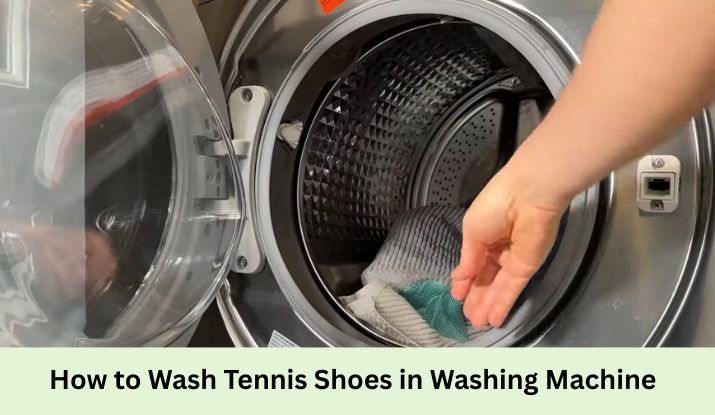
Yes, you can safely wash tennis shoes in the washing machine on a gentle cycle with cold water and a mesh bag, but always check the care label first and air dry to prevent shrinking, glue damage, or machine wear.
Tennis shoes take a beating on the court, trails, or city streets, picking up everything from clay dust to grass stains and sweat that builds up over matches. When spot cleaning just won’t cut it, the washing machine offers a thorough refresh, but only if done right to keep your kicks supportive and stylish. This guide equips you with everything from prep essentials to post-wash care, ensuring your tennis shoes emerge cleaner without the drama of warped soles or faded colors.
Drawing from trusted laundry pros and real-player experiences, we’ll cover compatibility checks, detailed steps, and smart tweaks for different court surfaces. Whether you’re dealing with all-white leather-trimmed pairs or breathable mesh low-tops, these strategies make machine washing a go-to for deeper cleans. Get ready to reclaim that fresh-out-of-the-box bounce.
Why Machine Wash Tennis Shoes? The Pros and Potential Pitfalls
Tennis shoes accumulate grime faster than most footwear, thanks to the constant flexing and friction during serves and sprints. A full machine wash tackles embedded dirt, neutralizes odors from sweaty insoles, and revives breathability in mesh panels that trap moisture otherwise. It’s especially handy for canvas or synthetic models after a muddy tournament, cutting hours off hand-scrubbing sessions.
That said, not every pair thrives in the tumbler—high-heat cycles can melt adhesives holding the midsole, while aggressive spins imbalance the load and bang against the drum. Leather accents might crack from agitation, and delicate trims could snag or bleed dye into your whites. The key lies in gentle settings and protections, turning a potential hazard into a hygienic win.
By weighing these factors, you avoid costly replacements and extend playtime. Pros like those at tennis academies swear by occasional machine cycles for gear longevity, provided you follow protocols that prioritize fabric integrity over speed.
Which Tennis Shoes Are Machine-Wash Safe? A Materials Breakdown
Material dictates durability in the wash, with breathable synthetics and sturdy canvases leading the pack for tennis styles. Mesh uppers, common in performance models like those from Asics or Nike, handle cold water well, allowing suds to flush out salt crystals without stretching weaves. Canvas exteriors, like classic Adidas Stan Smiths adapted for courts, resist fading on delicate cycles but benefit from color-safe boosters.
Steer clear of full-leather tennis shoes, as water saturates natural pores, leading to stiffening and peeling once dry. Suede or nubuck overlays, popular for casual court looks, absorb unevenly and risk permanent water spots. Rubber-heavy soles are fine, but avoid pairs with metal eyelets or cleats that could scratch your machine’s interior.
Always scan the care tag—symbols for machine washing (a tub icon) confirm safety, while hand-wash only signals spot treatment instead. This upfront check saves heartbreak, especially for hybrid tennis-runners with foam cushions that compress under spin.
| Tennis Shoe Material | Machine-Wash Safe? | Key Considerations | Best For |
|---|---|---|---|
| Mesh/Synthetic | Yes (gentle cycle) | Quick drying, odor trapper | Performance court shoes |
| Canvas | Yes (cold water) | Sturdy but check for dye bleed | All-white classics |
| Leather Accents | No (spot clean) | Warps and cracks easily | Premium hybrids |
| Rubber Sole Only | Yes (with protection) | Grippy but heavy load | Trail-to-court versatiles |
| Suede/Nubuck | Avoid entirely | Absorbs water unevenly | Fashion-forward pairs |
This table quick-scans compatibility, helping you sort your rotation before loading up.
Pre-Wash Prep: Setting Up Your Tennis Shoes for Success
Start strong by tackling surface crud—grab a stiff brush to whisk away packed clay or turf from treads, preventing clogs in your machine’s filter. For stubborn scuffs on white tennis shoes, dab a paste of baking soda and hydrogen peroxide, letting it fizz for 10 minutes before rinsing under cool water. This pre-treat lifts organic stains like grass without over-wetting the upper.
Next, untie and yank out laces, plus any removable insoles—these extras tangle and prolong drying if left in. Soak laces in a bowl of warm soapy water while you work, agitating with a toothbrush for thorough clean. Insoles deserve individual attention: sprinkle with baking soda overnight to zap odors, then rinse and air-dry flat to avoid curling.
Inspect for loose threads or detached embellishments; secure with clear tape temporarily to dodge snags. This ritual not only safeguards your washer but boosts cleaning efficiency, ensuring detergent penetrates where it counts most.
Step-by-Step: Washing Tennis Shoes in the Machine Like a Pro
Step 1: Gear Up with Protective Tools
Protect your investment and appliance by slipping tennis shoes into a zip-top mesh laundry bag—opt for one with fine weave to contain debris without restricting water flow. If mesh is unavailable, a sturdy pillowcase knotted at the top works, though it may pill over time. Toss in 2-3 old towels to cushion thumps and balance the spin, selecting faded ones to sidestep dye transfer risks.
This setup muffles noise from rubber soles slapping around, a common gripe in shared laundry spaces.
Step 2: Dose Detergent Wisely
Measure a half-scoop of liquid laundry detergent—pods dissolve cleaner in cold water, avoiding powdery residue that cakes crevices. Skip bleach entirely, as it yellows fabrics and weakens elastic; for whites, add a splash of oxygen-based brightener like OxiClean instead. If odors linger from locker-room marathons, stir in a quarter-cup of white vinegar to the dispenser for natural deodorizing without scent overload.
These choices keep colors vibrant and materials supple, tailored for the sweat-heavy life of tennis gear.
Step 3: Select the Ideal Cycle Settings
Dial to the delicate or hand-wash cycle with cold water—warmth above 80°F risks shrinking synthetics or loosening glue bonds in the toe box. Set spin to low or none to minimize wear on seams, running a 30-45 minute cycle that prioritizes agitation over extraction. For front-loaders, pause mid-cycle if imbalance alerts ping, redistributing for smooth sailing.
This gentle approach mimics hand-washing’s thoroughness while leveraging machine power for efficiency.
Step 4: Monitor and Unload Promptly
Keep an ear on the rhythm—subtle hums mean all’s well, but erratic bangs signal repositioning needed. Once the cycle dings, transfer immediately to avoid mildew in damp confines. Shake out excess water over a sink, but resist wringing to preserve structural integrity.
Prompt action here prevents secondary issues like rust on eyelets from prolonged moisture.
Step 5: Post-Wash Inspection
Lay shoes on a towel and blot uppers gently with a microfiber cloth, focusing on mesh vents that hold water longest. Reinsert dried insoles only after full airing, checking for color runs or seam stress. A quick sniff test confirms freshness; if musty notes persist, repeat with extra vinegar next round.
This final sweep catches hiccups early, fine-tuning your routine for flawless future washes.
Drying Tennis Shoes Post-Machine: Heat-Free Hacks for Longevity
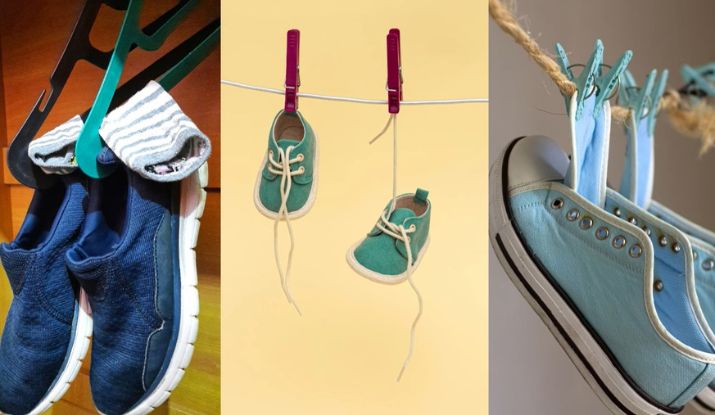
Air drying trumps the dryer for tennis shoes, as tumbling heat warps foam midsoles crucial for lateral support during volleys. Prop pairs on a shoe rack or over a clean towel in a sunny, ventilated spot—toes up to drain crevices naturally. Stuff interiors loosely with rolled newspaper or absorbent rags, swapping every few hours to wick hidden dampness without ink smudges on light fabrics.
For faster results in humid climates, deploy a fan on low, directing breeze across openings for even evaporation in 12-24 hours. Avoid direct sunlight’s UV rays, which bleach dyes on colorful tennis models. Patience pays off, yielding shoes that rebound to court-ready plushness.
If urgency calls, a no-heat air-fluff dryer cycle with wool balls as buffers speeds things sans shrinkage—monitor every 10 minutes. These methods safeguard the engineered bounce that defines quality tennis footwear.
| Drying Method | Time Frame | Pros | Cons |
|---|---|---|---|
| Air Dry with Stuffing | 12-24 hours | Preserves shape, free | Slower in humidity |
| Fan-Assisted | 6-12 hours | Even evaporation | Needs outlet space |
| No-Heat Dryer | 1-2 hours | Quick for emergencies | Risk of minor tumbling |
| Sunlit Rack | 8-16 hours | Natural deodorize | Fades colors over time |
This comparison arms you with options, matching methods to your schedule and setup.
Tackling Tough Stains and Odors in Tennis Shoes Before the Wash
Court-specific grime demands targeted pre-wash strikes—rubber marks from baselines yield to a magic eraser dipped in soapy water, gently buffed to lift without abrasion. Grass embeds deeply in treads; soak in a vinegar-water mix (1:1) for 15 minutes, then scrub with an old toothbrush for green-free grooves. Sweat-fueled yellowing on white tennis shoes bows to a lemon juice soak, its acidity breaking down proteins before the main event.
Odors from prolonged wear stem from bacterial feasts in damp linings; freeze overnight in a bag to kill culprits, or blast with a baking soda-vinegar spray for fizzing freshness. These interventions amplify machine results, targeting tennis’s unique battering for deeper renewal.
Layer them into prep without over-saturating, preserving the machine’s role as finisher rather than fixer.
Common Mistakes to Avoid When Washing Tennis Shoes in the Machine
Overloading tempts fate, cramming four pairs leads to uneven cleaning and drum dents from wild spins. Hot water zaps colorfastness in vibrant tennis designs, turning bold blues to faded grays—stick to cold religiously. Forgetting the mesh bag invites lace tangles and sole scuffs against metal agitators, a rookie error that shortens gear life.
Neglecting to balance with towels amplifies vibrations, stressing belts in your washer over time. Rushing dry times breeds mold in foam layers, undoing hygiene gains. Sidestep these by pacing yourself, treating the process as court strategy—deliberate moves yield lasting victories.
Awareness here elevates from novice rinse to expert refresh, protecting both shoes and appliance.
Hand-Wash Alternatives: When the Machine Isn’t Ideal for Tennis Shoes
For delicate tennis hybrids or label-forbidden pairs, hand-washing delivers precision without risks. Fill a basin with cool soapy solution—mild dish detergent cuts grease from gym bags—and submerge uppers, agitating gently with fingers for mesh penetration. Brush soles outdoors to contain debris, using a dedicated tennis cleaner for eco-friendly suds.
Rinse under running water until clear, pressing—not twisting—to expel suds. This method shines for suede-trimmed court shoes, preserving textures the machine mangles. Air-dry as before, but pat dry first for quicker turnaround.
It demands more elbow grease but customizes to your pair’s quirks, ideal for off-season overhauls.
Maintenance Tips: Keeping Tennis Shoes Fresh Between Washes
Spot-clean weekly to stave off deep grime—wipe mud post-match with a damp cloth and air-dry in lockers. Rotate two pairs per session, allowing 48-hour breath-outs to evaporate sweat naturally. Spray interiors with a fabric refresher monthly, focusing on tongue areas prone to funk.
Store upright in breathable bags, away from damp basements, to fend off mildew. These habits stretch machine washes to quarterly, sustaining performance and postponing wear. Integrate them seamlessly, and your tennis shoes stay rally-ready year-round.
Frequently Asked Questions
Can You Wash Tennis Shoes in Washing Machine Safely?
Washing tennis shoes in the washing machine is safe for most canvas and mesh models, provided you use a protective mesh bag and gentle settings to shield against tumbling damage. Start by prepping: remove laces and insoles to prevent tangles, then brush off loose court dirt to avoid clogging your appliance. Opt for cold water on the delicate cycle with a mild liquid detergent—this combo flushes embedded clay and sweat without shrinking synthetics or weakening sole glues.
Balance the load with towels to muffle thumps from rubber treads, running no more than two pairs at once for even agitation. Post-cycle, air-dry stuffed with newspaper to maintain arch support crucial for lateral moves. Avoid bleach, as it dulls breathable panels; instead, add baking soda for odor-killing fizz.
This method revives post-tournament freshness, but always check labels—leather accents demand spot cleans instead. Regular adherence keeps your rotation hygienic, extending play without frequent replacements. Players report brighter whites and bouncier cushions after, blending convenience with care.
How to Prepare Tennis Shoes for Washing Machine?
Preparing tennis shoes for the washing machine involves a quick but crucial ritual to maximize clean and minimize mishaps. Begin with a visual sweep: knock soles together outdoors to dislodge packed turf or sand, then use a stiff brush on treads for thorough evacuation. For uppers, dab persistent grass stains with a vinegar-soaked cloth, letting it sit five minutes to loosen fibers without over-wetting.
Untie laces fully and pull them out, along with any orthotic insoles—wash these separately in soapy water to dodge mildew hotspots. Treat odors preemptively by sprinkling baking soda inside, waiting an hour before vacuuming residue for a neutral base. Slip the prepped pair into a mesh garment bag, zipping securely to contain eyelets that might snag.
This foundation ensures detergent reaches hidden grime, like sweat in tongue folds, while safeguarding your machine’s drum from debris. Skip if labels warn against immersion, opting for hand methods. Done right, prep transforms a routine chore into a strategic refresh, yielding shoes that feel tournament-new.
What Cycle Settings Work Best for Washing Tennis Shoes in Washing Machine?
The best cycle settings for washing tennis shoes in the washing machine prioritize gentleness to preserve flex and grip. Select the delicate or hand-wash option with cold water—around 40-60°F—to gently lift dirt without felting meshes or dissolving adhesives in the midsole. Set spin speed low or off, as high RPMs compress foams, reducing shock absorption for your next baseline rally.
Load capacity matters: one or two pairs max, padded with towels to absorb vibrations from uneven weights. Time the cycle for 30-40 minutes, allowing ample soak for suds to penetrate canvas weaves. If your machine offers a “shoe” mode, engage it for optimized agitation.
These parameters, echoed by appliance guides, balance thoroughness with tenderness, avoiding the stiffness that plagues hot-washed pairs. Test on an old towel first for dye checks. Result? Cleaner, comfier kicks ready for the clay without compromise.
How to Dry Tennis Shoes After Washing Machine Clean?
Drying tennis shoes after a washing machine clean demands patience to avoid heat-induced deformities that sideline your game. Immediately post-cycle, blot excess water with a terrycloth towel, pressing into vents and creases without rubbing to prevent fiber pulls. Prop upside down on a drying rack in a shaded, airy room—sun direct bleaches vibrant court colors over time.
Stuff loosely with white paper towels or microfiber rags, twisting fresh ones hourly to draw out interior dampness trapped in linings. A oscillating fan on medium accelerates evaporation to 8-12 hours, mimicking a breeze without static buildup. Resist the dryer unless no-heat air-fluff with a rack; even low temps risk sole separation.
This slow-dry preserves the engineered curve for toe-off power. Monitor for mustiness, re-stuffing if needed. Your reward: supple, odor-free tennis shoes primed for practice, far superior to rushed methods.
What Detergents Are Safe for Washing Tennis Shoes in Washing Machine?
Safe detergents for washing tennis shoes in the washing machine focus on mild formulas that clean without stripping protective coatings. Liquid varieties like fragrance-free options dissolve fully in cold water, targeting sweat salts and clay residues without powdery clogs in treads. Avoid heavy-duty powders, as undissolved grains embed in meshes, requiring extra rinses.
For white tennis shoes, choose oxygen-boosted gels—they brighten scuffs sans chlorine’s harsh yellowing. Add a half-cup baking soda directly to the drum for enzymatic odor busting, complementing the soap’s lift on organic grime. Skip fabric softeners; they coat rubbers, diminishing court traction.
Dose sparingly—a quarter-cup suffices for one load—to prevent suds overflow that dilutes efficacy. These picks, favored by activewear launderers, maintain breathability while vanquishing tournament funk. Always rinse twice for residue-free results, ensuring your steps stay grippy and fresh.
Can You Wash White Tennis Shoes in Washing Machine?
Washing white tennis shoes in the washing machine revives their crisp look if handled with color-guard tactics to fend off dinginess. Pre-treat yellowed areas with a baking soda-peroxide paste, scrubbing lightly before bagging to lift buildup from repeated wears. Use a dye-free liquid detergent on delicate cold, adding white vinegar to the softener compartment for natural brightening and rinse aid.
Enclose in a mesh bag with colorless towels to buffer and prevent gray transfers from soles. Air-dry stuffed and shaded, as heat sets any faint stains. This protocol keeps canvas pristine, countering the irony of whites turning gray from play.
Avoid if metallic trims risk rusting. Players love the post-wash pop, blending machine ease with hand-picked purity for standout serves.
How to Remove Stains from Tennis Shoes Before Washing Machine?
Removing stains from tennis shoes before the washing machine amplifies deep-clean results, targeting court-killers like red clay or ball scuffs. Mix equal parts dish soap and warm water, dipping a soft toothbrush to agitate mud in treads—circular strokes lift without fraying. For grass, spritz hydrogen peroxide on greens, blotting after five minutes to oxidize without bleaching surrounds.
Oil from sidelines? Cornstarch absorbs overnight, brushed off pre-wash for grease-free entry. Test solutions on hidden spots to dodge discoloration in colorful panels. These spot assaults, quick as a quickset, prep fabrics for machine magic.
Follow with a cool rinse to flush residues. Your tennis shoes emerge stain-slayed, ready for unmarred matches.
Why Avoid Dryer for Tennis Shoes After Washing Machine?
Avoiding the dryer for tennis shoes after washing machine use protects the heat-sensitive glues and foams that underpin agile play. High temps—over 120°F—soften bonds, causing delamination where uppers meet soles, a flaw that worsens with flex. Synthetic meshes pucker unevenly, losing the ventilated fit essential for long sets.
Instead, embrace air methods: rack-propped with stuffing accelerates without shrinkage, retaining bounce in EVA cushions. Even low-heat risks color migration in multi-hued designs. Appliance experts concur, noting air-dry preserves 20% more structural integrity.
Opt for fan boosts in sticky climates. This choice sustains performance, keeping your tennis shoes volley-vital longer.
How Often Should You Wash Tennis Shoes in Washing Machine?
Washing tennis shoes in the washing machine every 4-6 weeks strikes the hygiene sweet spot, depending on usage—weekly players need it quarterly for clay courts, bi-weekly for indoors. Over-frequent cycles wear down reinforcements, so intersperse with spot cleans using wipes for light sweat. Monitor cues like visible grime or post-match stiffness signaling buildup.
Rotate pairs to space loads, allowing full dries that prevent bacterial blooms. This cadence, advised by sports podiatrists, balances freshness with durability, warding off the funk that felts insoles. Track via app reminders for consistency.
Result: Shoes that support seasons of serves, not just sessions.
What If Tennis Shoes Shrink After Washing Machine?
If tennis shoes shrink after washing machine use, it’s often from hot water or aggressive drying—synthetics contract up to 10% under 100°F agitation. Counter by gently stretching: wear thick socks and blast with a hairdryer on cool while pulling toes outward, holding 30 seconds per section. For canvases, mist interiors with conditioner-water mix, stuffing progressively larger rags overnight to expand.
Prevent repeats with strict cold cycles and air-only dries. Minor shrinks rarely affect function in low-tops, but monitor fit for high-cuts. This fix revives most, salvaging your stride.
Conclusion
Mastering how to wash tennis shoes in the washing machine unlocks effortless upkeep, breathing new life into gear battered by every backhand and baseline dash. From mesh-bag preps to air-dry artistry, these steps harmonize convenience with care, dodging pitfalls that plague hasty rinses. Embrace the routine, and your collection stays court-crisp, fueling fiercer forehands.
As seasons swing from hard courts to grass, adapt with stain scouts and rotation wisdom to prolong play. Your tennis shoes aren’t just footwear—they’re partners in pursuit, deserving this diligent dance. Step into cleaner confidence, where every wash whispers victory ahead.